Which of these looks fits depends on how you spend your days: a desk job calls for the linen blazer with dress trousers, while weekends with kids or a hobby call for denim, a fleece pullover and fabrics that wash easily.
The list runs from a trim and a shoe brush to a well-chosen coat, and every look rests on the same check: shoulder seams that sit close without pulling, since a tailor can fix nearly everything else but not that.
1. Better Fit
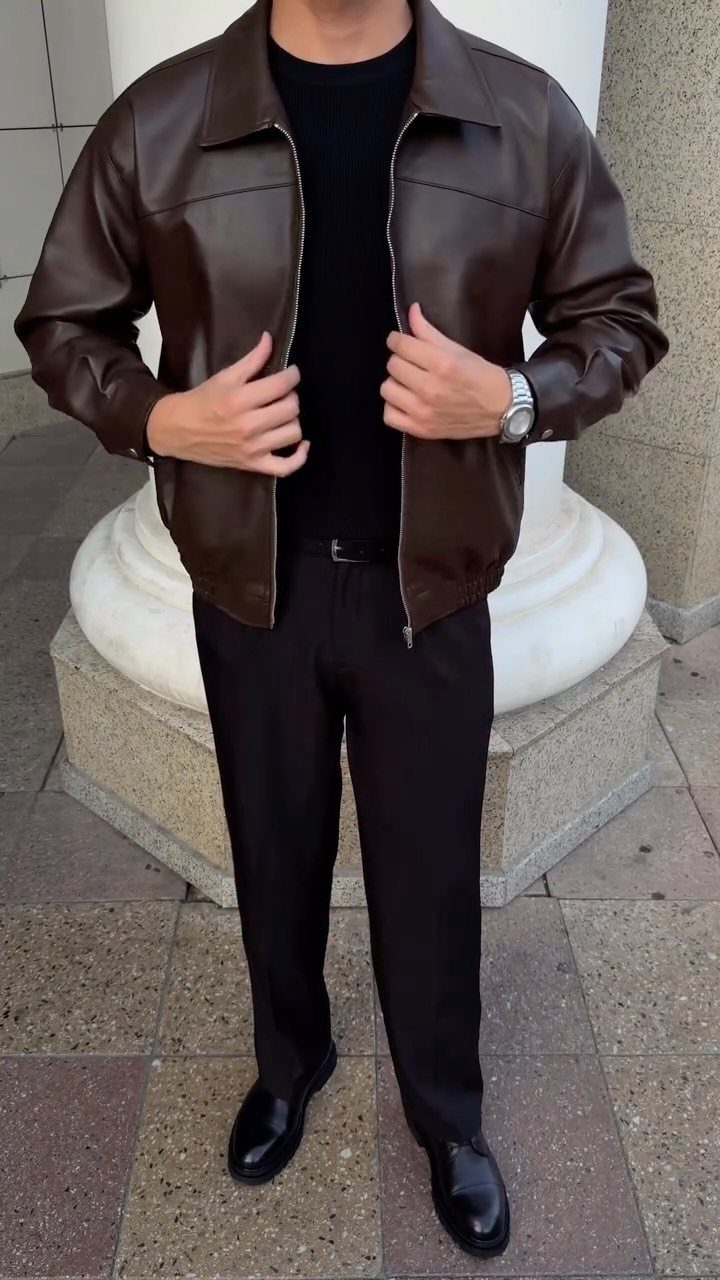
A good fit follows the shoulders and the torso, then lets the fabric fall straight. The jacket here does that: it sits close across the shoulders without pulling at the chest.
Black on black with a brown jacket works because nothing fights the outline. I’d check the shoulder seam first, since a tailor can fix almost everything else but not that.
Comfortable and fitted are not opposites. If you can’t move your arms, it’s too tight.
2. Chinos and Well-fitted Shirts

Beige chinos and a white button-up make about the easiest outfit a man in his 30s can own. Both pieces are plain, so fit does all the work.
I’d pick a shirt that ends at the hip and skips the billowy waist. Chinos should taper gently to the ankle, with a clean break over the shoe.
Black loafers sharpen the pairing, though brown ones would soften it. Sunglasses are optional; the fit is not.
3. Coats
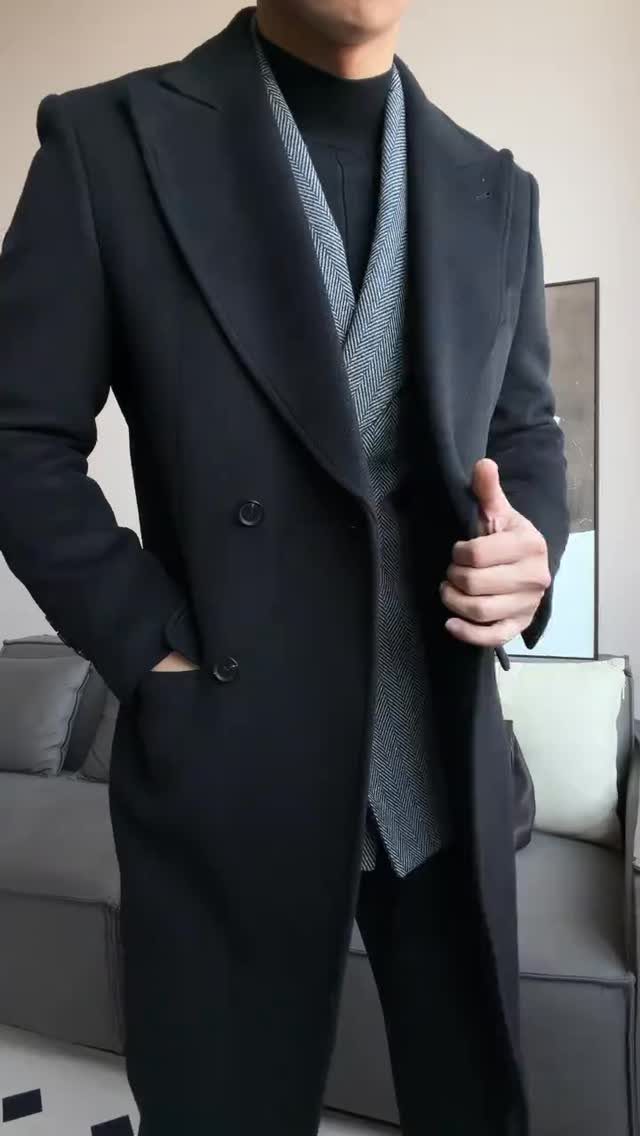
An overcoat is the one piece that makes everything under it look deliberate.
A black wool coat cut to mid-calf or just below the knee covers a waistcoat and turtleneck without fuss, and it works over a suit just as well.
For cold weather I’d buy this before a third jacket. Choose a dark color, since it will go over suits, knitwear and a plain sweater alike.
Try it on over your thickest layer. The sleeves should still reach your wrist bone, and the shoulders shouldn’t pinch.
4. Quality Footwear
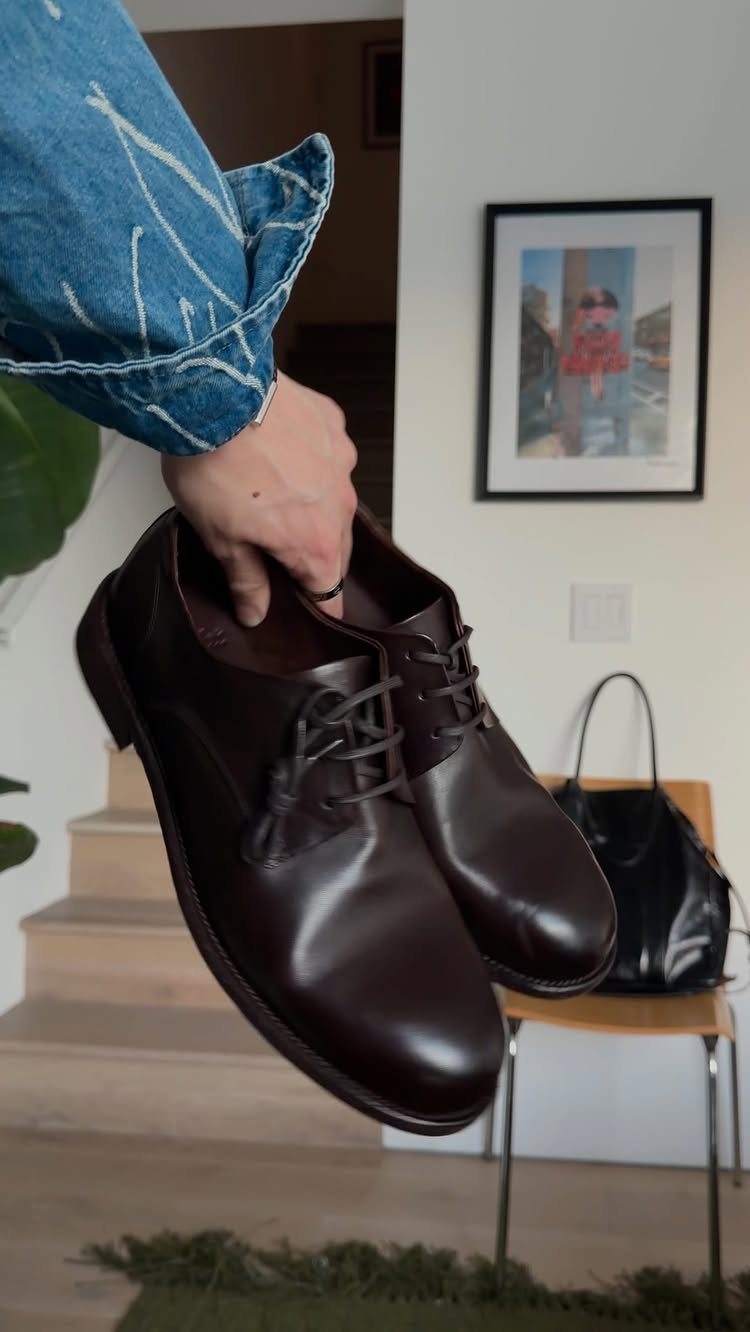
Shoes get judged fast, and polished dark brown leather derbies read as put together with nearly everything in a 30-something wardrobe. They work with chinos, dress trousers and even dark jeans.
I’d spend more here than on most other pieces. Better leather holds its shape and polishes well.
Keep them clean and conditioned. A scuffed expensive pair looks worse than a cared-for modest one, so a shoe brush and polish earn their place.
5. Choosing Your Pants
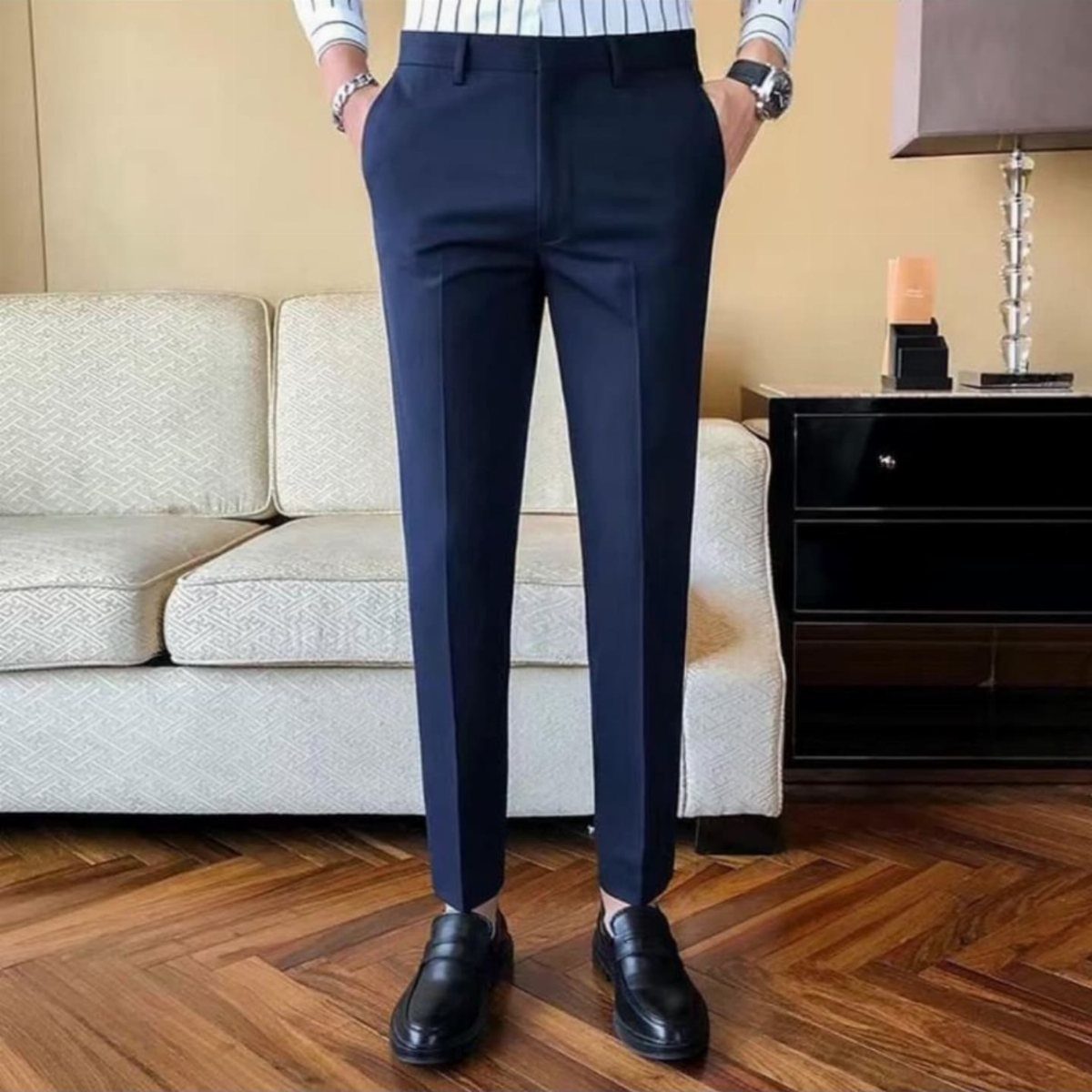
Navy dress trousers are sharp without being stiff, especially when a striped shirt and black loafers keep the outfit loose. Tailored cuts look best when the waist sits flat and the legs hang clean.
Check that you can sit and walk comfortably before you buy. Trousers that bind at the thigh won’t get worn.
If you own one pair of nicer pants, I’d make them navy. They stay easier to pair than black.
6. Solid Colors
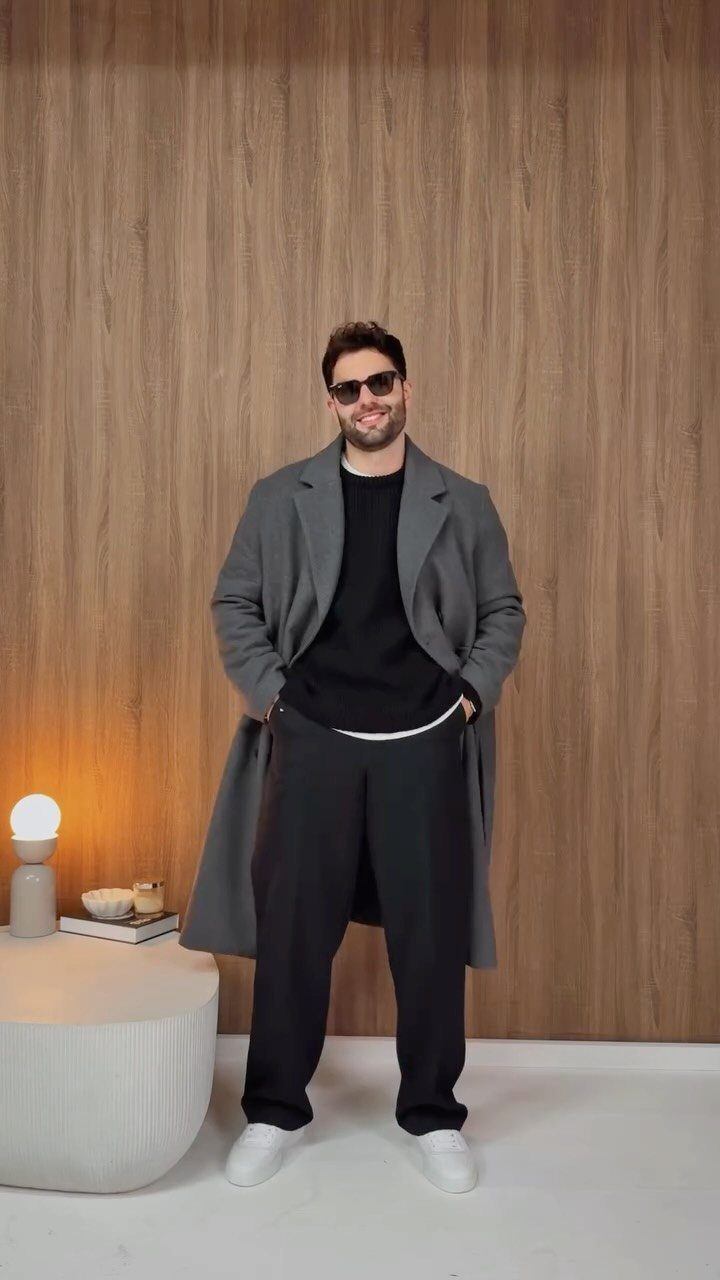
Solid colors keep an outfit calm, and a limited palette of grey, black and dark trousers goes further than most men expect.
I’d stick to two or three shades per outfit. White sneakers add a lighter note without breaking the scheme.
Prints are harder to match and date faster. Solids mix more freely, which suits anyone building a wardrobe from a few pieces.
7. Grooming and Hygiene
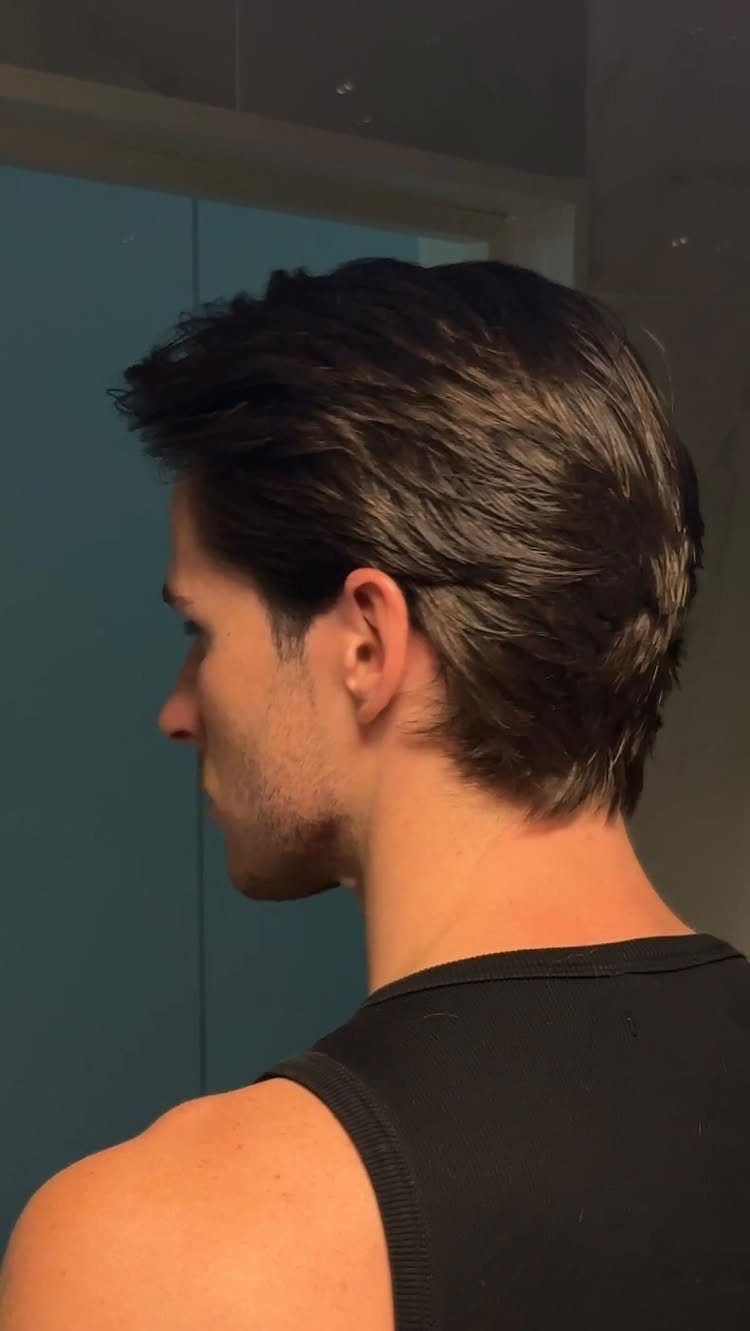
Hair that’s cut and shaped to the head, with stubble kept short and even, does more for a man in his 30s than another jacket. A clean hairline is the detail people read first.
I’d book a trim on a regular schedule rather than waiting until it looks overgrown. Keep the stubble edged at the neck and cheeks so it reads as chosen.
Skin, nails and a fresh shirt count too. Good grooming is the cheapest upgrade here.
8. Brown Suede Jacket and Trousers
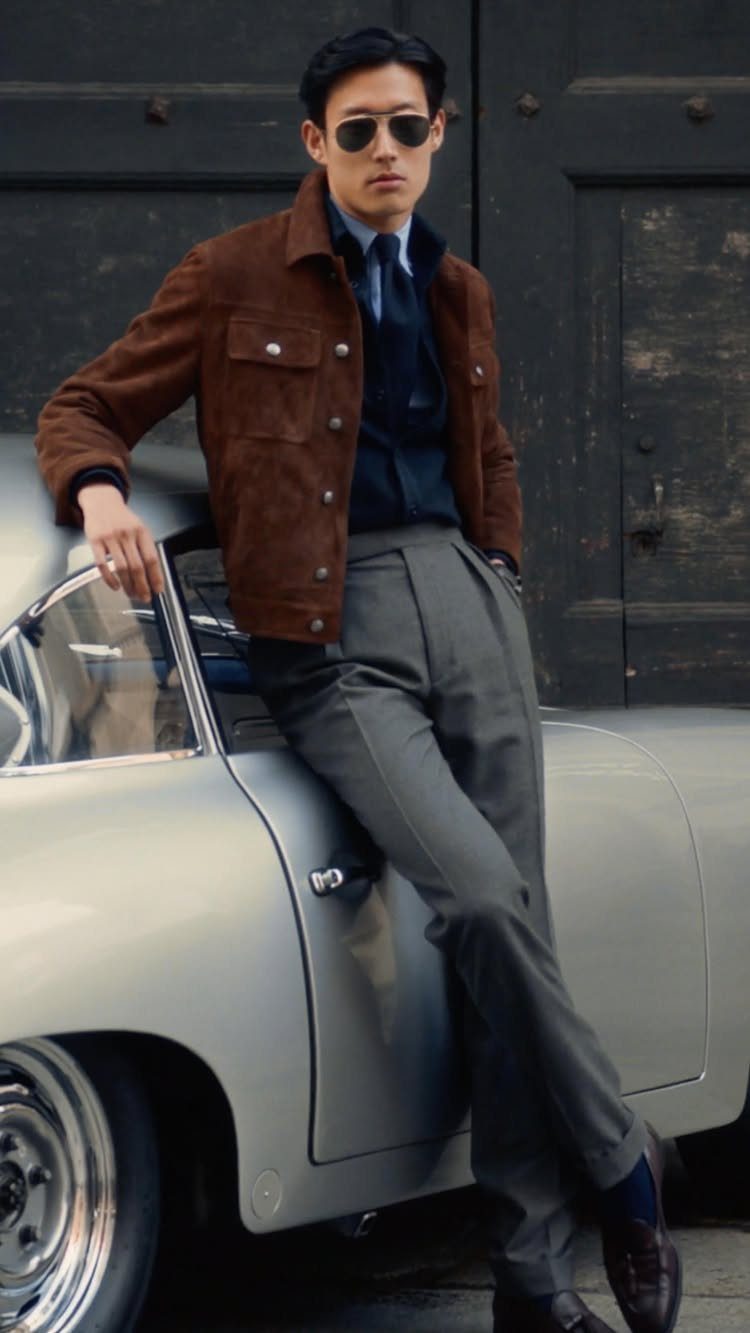
Brown suede brings texture to an outfit that would otherwise be flat, and grey trousers give it a quiet place to sit. A dark shirt and tie keep the jacket looking dressed rather than weekend.
I’d choose a mid-to-dark brown over a tan, since it sits better with grey. Sunglasses finish it.
Suede marks easily, so I wouldn’t wear it in rain. A suede brush is worth owning.
9. Button-down Shirt and Denim Jeans
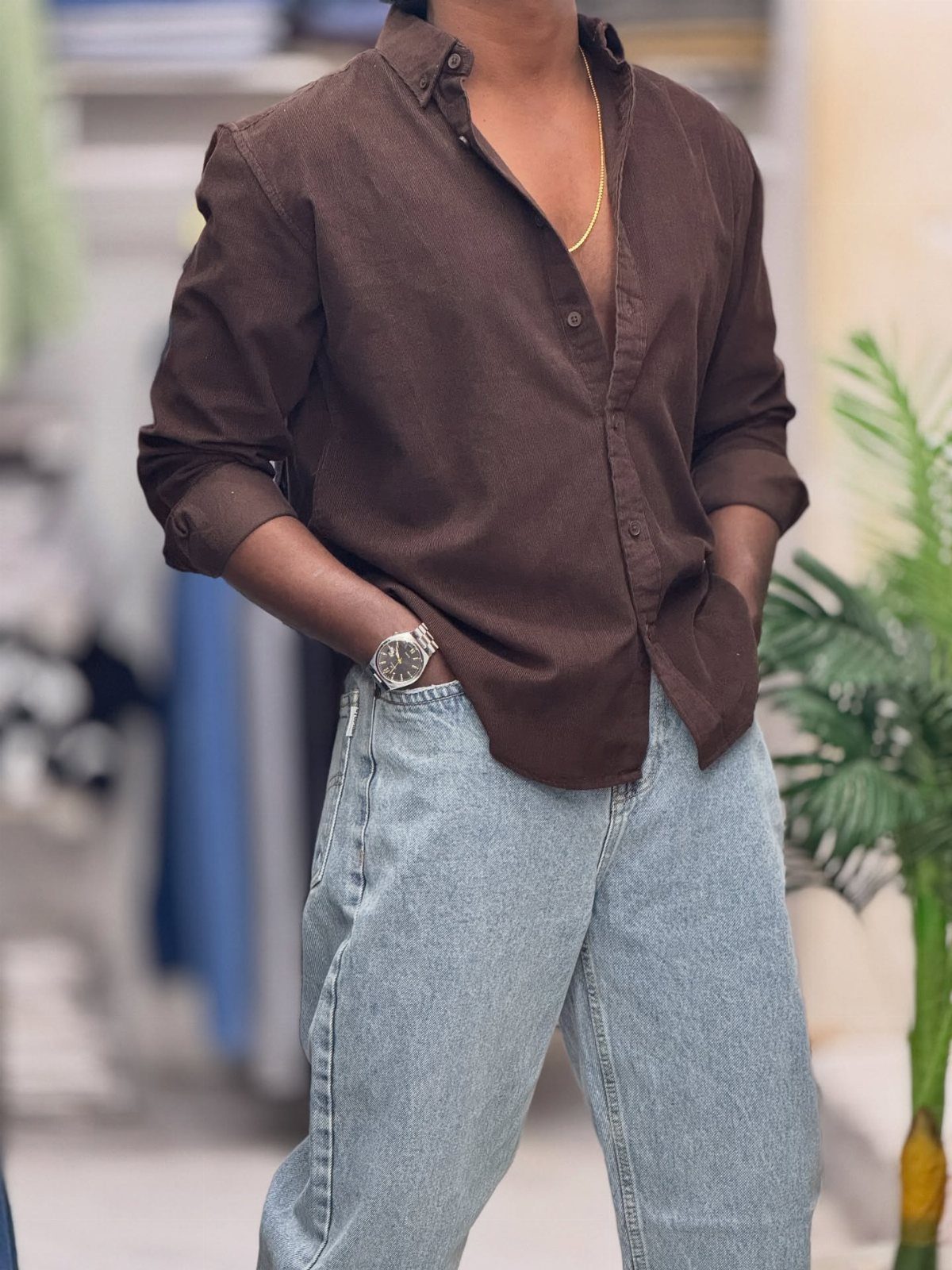
A brown button-down over light-wash jeans is a pairing that asks for almost no effort. Earth tones and blue denim sit comfortably together.
An untucked button-down works only if the hem ends around the hip; anything longer looks like a nightshirt.
Jeans in a lighter wash look best with a plain, solid shirt. Skip heavy rips or fading, which pull the look younger.
10. Ribbed Henley with Wide-leg Trousers
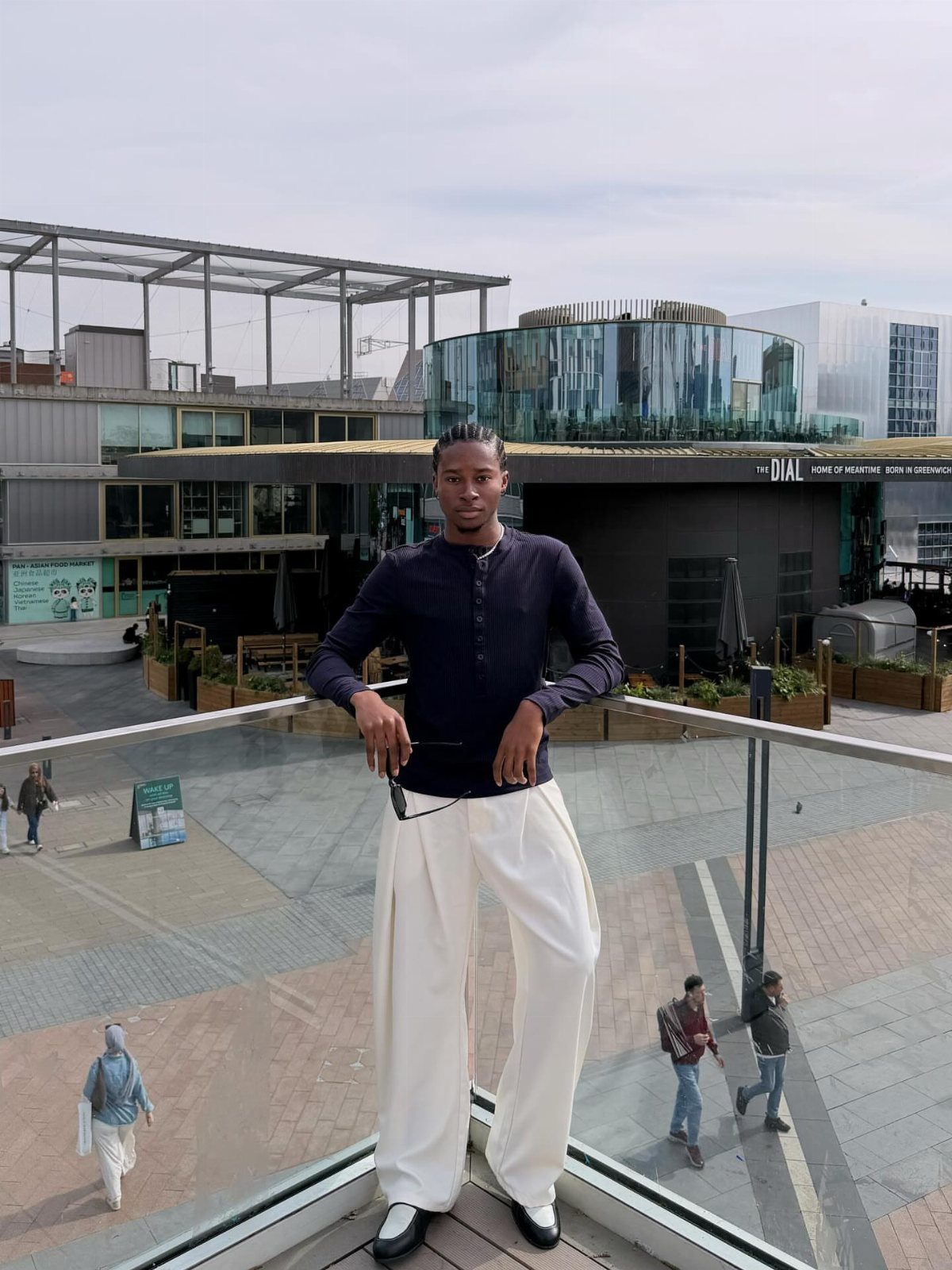
Wide-leg white trousers with pleats look best when the top stays fitted. A dark ribbed henley does that job, and its texture keeps the white from feeling stark.
I like the contrast between the two, and the two-tone shoes add a third note without crowding it. Let the trouser hem fall to the top of the shoe.
White shows every mark, so it suits dry days and short outings better than long ones.
11. Linen Blazer with Dress Trousers
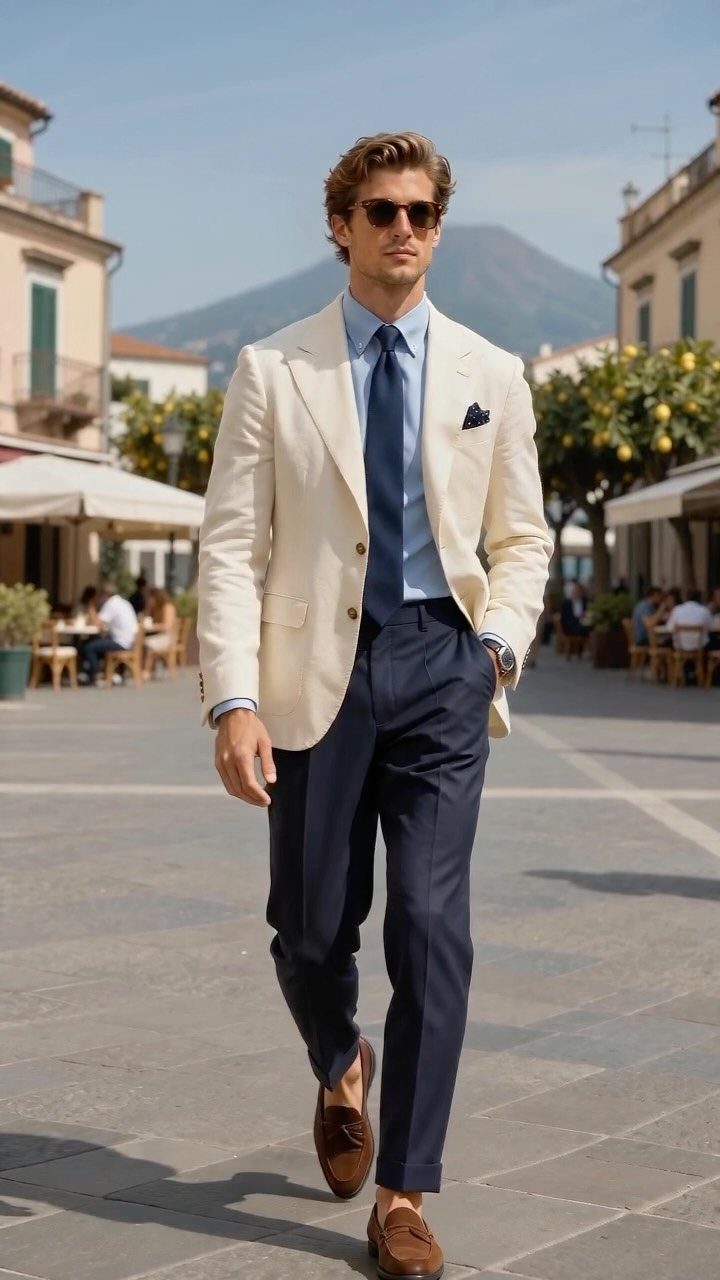
Cream linen over a light blue shirt and navy trousers is a warm-weather outfit that still reads as dressed. A dark tie keeps it formal enough for the office.
I’d pick an unstructured blazer, since linen wrinkles and a stiff cut fights that. The creator of this look calls it part of a summer rotation, which is the right way to think of it: one blazer, several shirts.
Linen creases by lunchtime. Accept that or choose something else.
12. Sweater Vest Over Striped Shirt
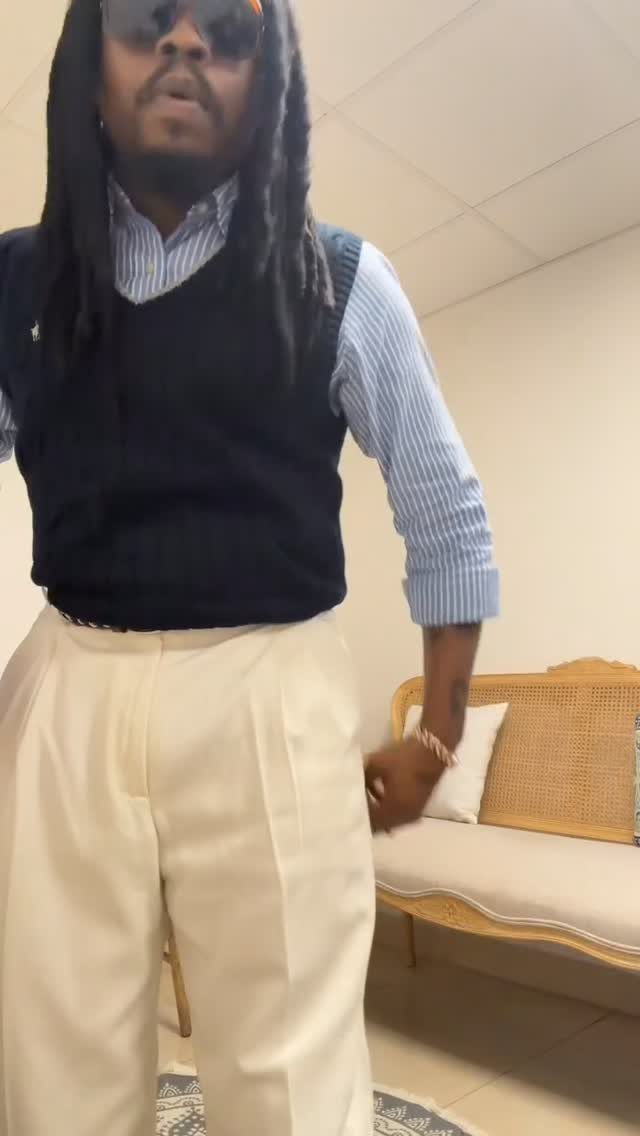
A dark sweater vest over a blue striped button-down adds a layer without adding bulk in the arms. Pleated cream trousers lighten the bottom half and give the outfit balance.
I’d keep the stripe fine so the vest stays the focus. The shirt collar should sit cleanly over the neckline.
Choose a vest that ends at the belt line. Longer, and it looks borrowed.
13. Fleece Pullover with Wide Trousers
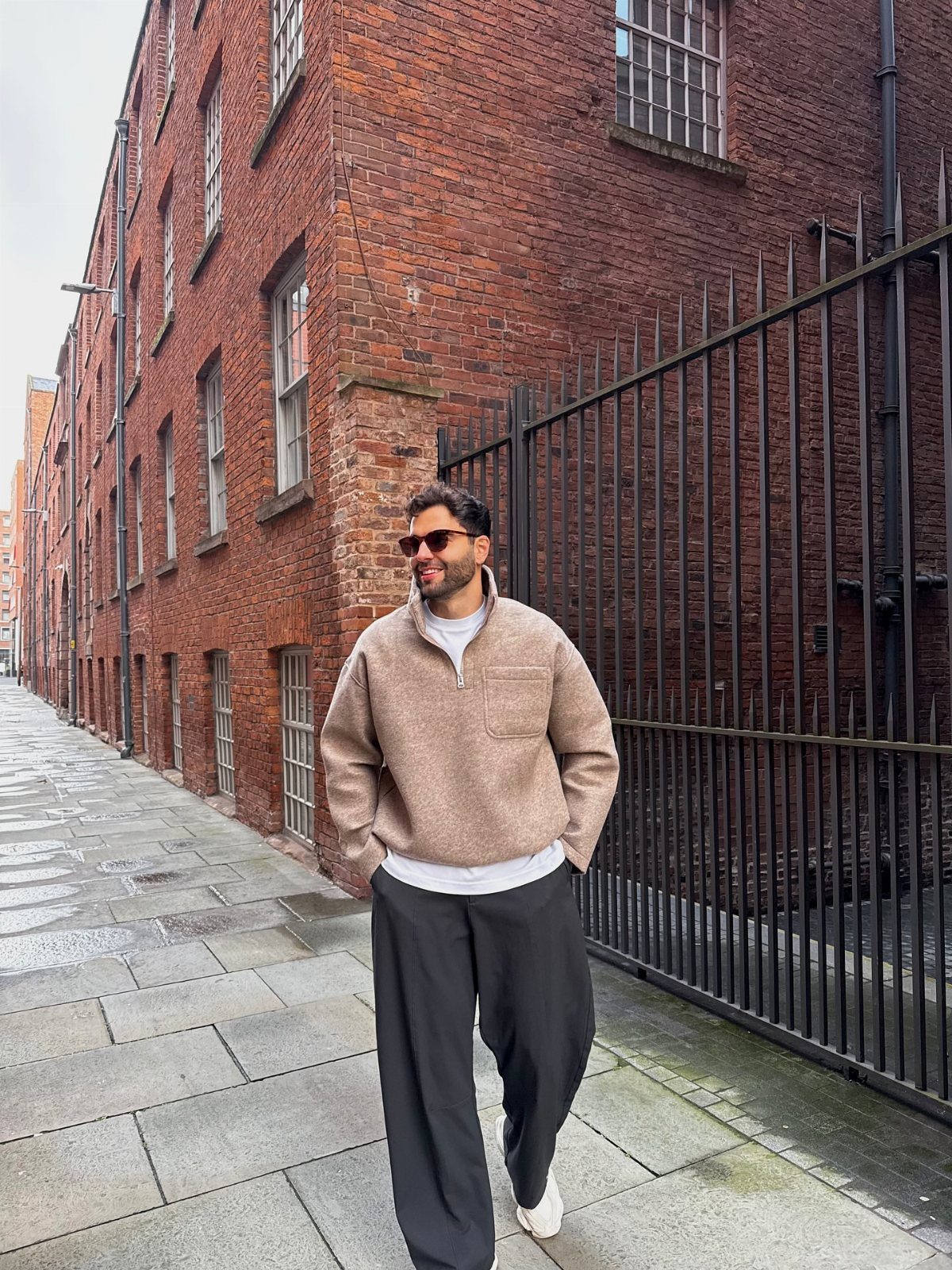
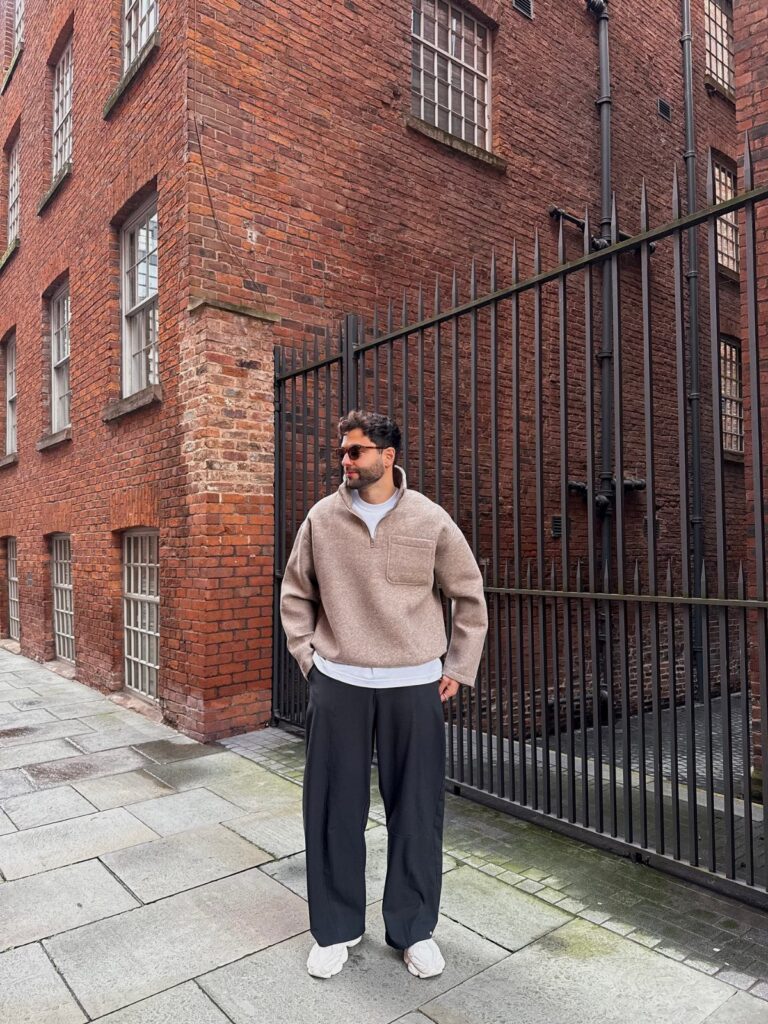
A tan quarter-zip fleece over a plain white tee turns a casual top into something a man in his 30s can wear with real trousers. Wide-leg black ones keep it relaxed, and the dark bottom grounds the light top.
Fitted shoulders on the fleece keep the outfit tidy, since the wide trousers already supply plenty of volume. Wide legs paired with a boxy top just look shapeless.
Fleece is a weekend piece, so I wouldn’t wear it to a meeting.
Avoiding Common Mistakes
Old hoodies, warped tees and beat-up shoes age badly, so retire the college leftovers first. Grungy shoes do the most damage because they sit at the bottom of every outfit.
A blazer cannot rescue bad fit or weak shoes, so don’t rush to dress up before the basics are sorted. Alterations matter more: sleeve length, pant hem and waist are the 3 places a tailor earns their fee.
Skinny everything is worth retiring too. A little drape in the chest and sleeve suits current menswear better than a cut that grips the body.
Rotate between 2 or 3 pairs of shoes so each one gets a day or two to rest, and they will last far longer than a single pair worn every morning.
Keep accessories to one or two: a watch, or sunglasses and a ring, is plenty.
Get the basics right first (fit, shoes, a few solid pieces), and chase trends only after that.
Choosing the Right Brands
Your 30s are when brands should narrow down to a few you trust to deliver quality year after year. Pick them by how you spend your days, not by what’s popular.
If you work in an office, look for labels that make business casual well: shirts, jackets and trousers that stay comfortable through a commute and a full day at a desk.
If your weekends belong to kids or a hobby, buy from brands that stretch, wash easily and still hold a clean line.
A brand that covers several categories is worth more than one with a single good piece. It keeps your colors and fits consistent, which makes mixing easier.
Importance of Confidence
Confidence comes from knowing what suits you, then buying timeless pieces that match it. A wardrobe that reflects who you are stops feeling like a costume.
Small details can undercut that. A cheap watch or a pair of tennis shoes undercuts an expensive suit, and clashing patterns across suit, shirt and tie look like guesswork.
Match your belt and cufflinks, and keep accessories understated rather than bright.
Looking sharp even in business casual helps you carry yourself better.
Frequently Asked Questions
How should a man dress in his 30s?
Start with fit, then solid basics and good shoes.
Chinos with a plain white button-up, a navy pair of dress trousers, and dark brown leather derbies cover most days. Plain pieces mix easily, so fit ends up doing most of the work.
How can a man look more mature but still stylish?
Fit well, keep colors simple, and buy fewer, better pieces. A mature look comes from restraint: build each outfit around two or three colors, and stop accessories at a watch plus one other piece, like sunglasses or a ring.
A dark overcoat and clean shoes make everything under them look deliberate.
What is the 3-3-3 rule for men?
A close match is keeping to two or three shades per outfit, which keeps a look calm and easy to put together.
Solids mix more freely than prints, so a few solid pieces in grey, black and dark trousers go a long way.





