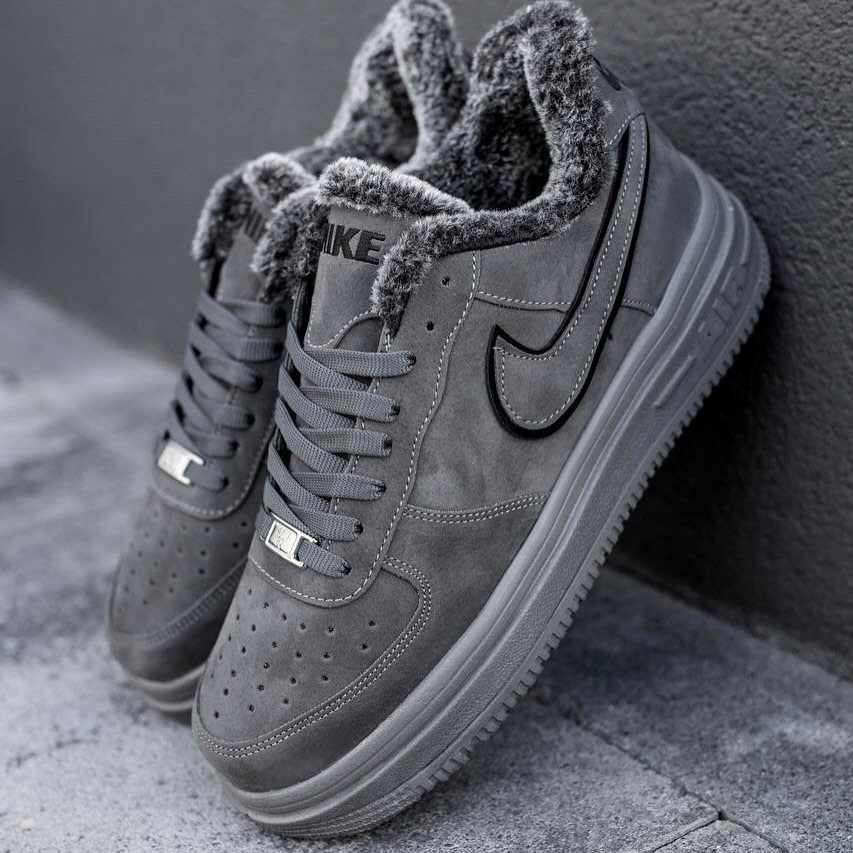
The range starts with a cuffed knit beanie, the least expensive item in a cold-weather closet, and ends with a long black overcoat worn over wide grey trousers, with a way to organize everything between them.
Where you live decides how much of this you need: lighter sweaters make sense in mild winters, while a colder place calls for heavier knits and extra layers.
Whatever the weather, four to five colors keep every piece mixing with the next.
1. Beanies
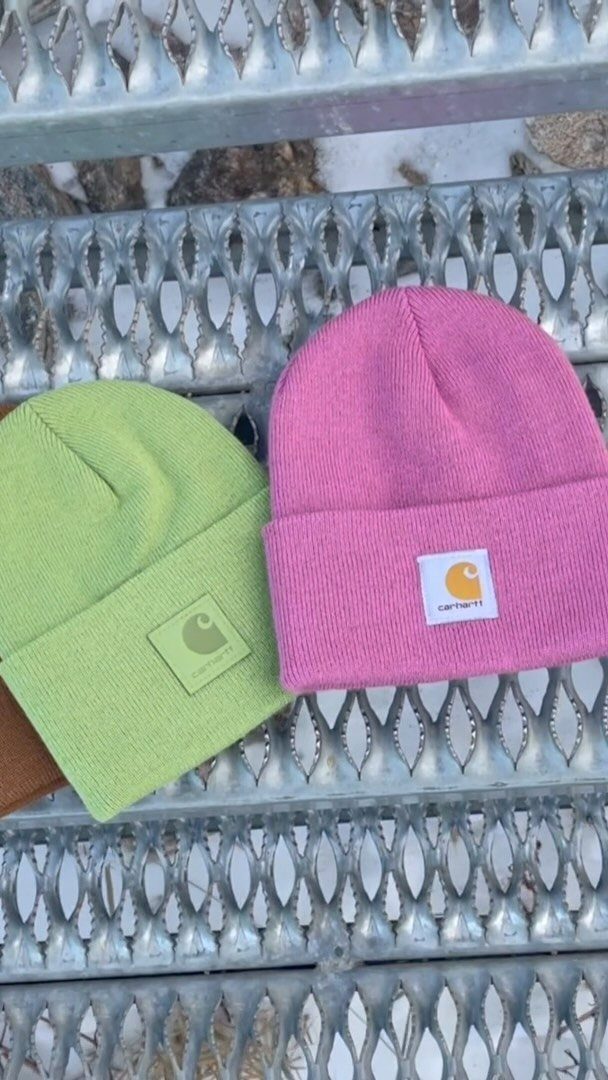
A cuffed knit beanie is the cheapest piece in a winter wardrobe and the one that changes an outfit fastest. Brown is the easy pick, since it sits next to navy, grey and black without effort.
Wear one over a plain dark coat and let it be the only bright thing in the outfit.
Keep the cuff folded once, sitting just above the ears. A small logo patch is fine, but one is plenty.
2. Sneakers
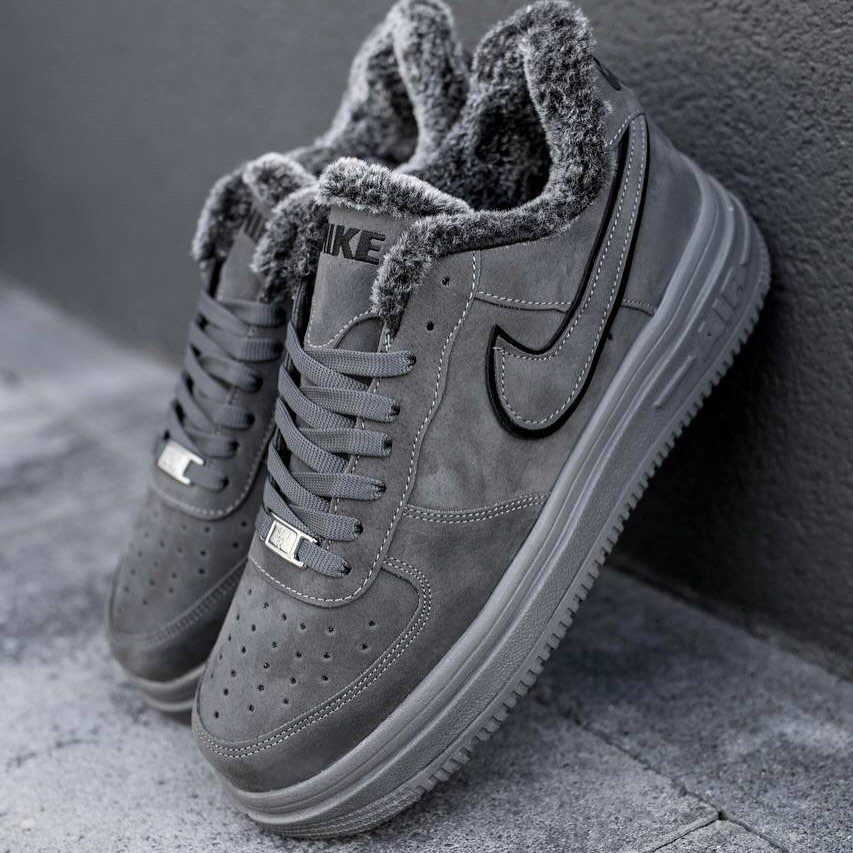
Fleece-lined suede sneakers solve the problem of cold feet on short winter trips outside. Grey is a smart color for them: it works with dark denim, charcoal trousers and black outerwear.
The thick sole keeps you off wet pavement, and the lining adds warmth without a bulky boot.
I would still treat suede with care. Spray it with a protector before the first wear, and skip them in heavy slush.
3. Tailored Overcoat with Wide Trousers
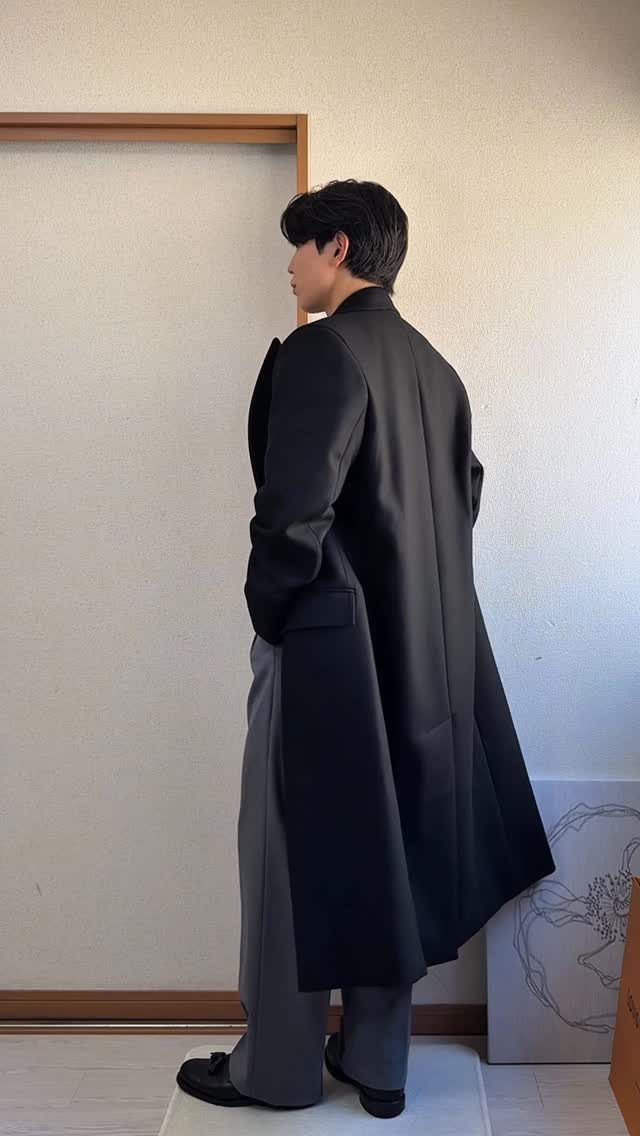
Long black overcoats look sharpest when the trousers do the relaxing. A structured coat holds its shoulders and line, so wide grey trousers underneath read as deliberate rather than sloppy.
Let the trouser hem break softly over black dress shoes, with a little fabric stacking, but not so much that it covers the shoe.
Let the overcoat and trousers carry the outfit: a dark knit, a plain scarf, and no loud accessories.
The coat can hang a few inches below the knee. That gives you one long, clean column of dark and grey.
4. Dark Denim Set with Hoodie
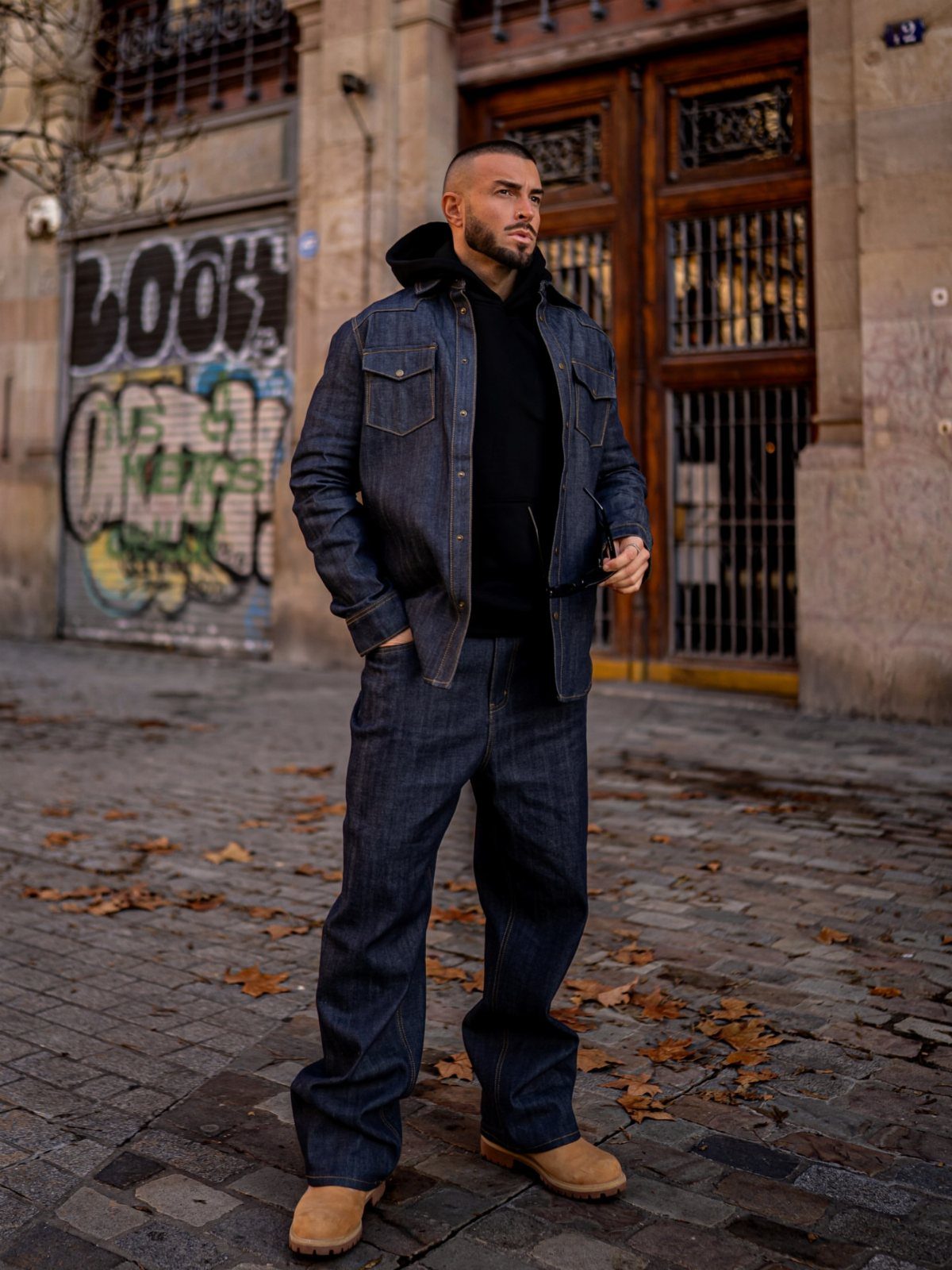
Matching dark denim looks intentional when the pieces share the same wash. Wear the overshirt open over a black hoodie, with wide-leg jeans cut to the same deep shade.
The black hoodie keeps the set from looking like a uniform, and it adds warmth under the jacket. Tan work boots break up all that dark color nicely, and I prefer them to sneakers here.
Let the jeans fall to the top of the boot. If they pool too much at the ankle, hem them.
Building a Cohesive Color Palette
Pick four to five colors and let them run the whole winter wardrobe. Charcoal, midnight blue, cream, brown, olive and deep burgundy sit well together, so any five of those will mix without much thought.
Choose the colors you already reach for. If a shade makes your face look tired, swap it for one that suits your skin tone better; a seasonal color analysis can settle that if you want a firm answer.
I would anchor the palette with 2 dark neutrals for coats and trousers, then use the rest for knits and accessories. A cream sweater under charcoal looks sharper than most patterns.
Adjust the weight of the pieces to your climate. In a milder place, add lighter sweaters; in a colder one, go thicker and add layers.
Digital Wardrobe Organization
Spend an hour photographing your coats, knits and boots into a closet app, and you will not have to dig through the rack on a cold morning again.
Photograph and catalog only the pieces you actually wear, then build outfits on screen before you put them on.
The biggest benefit is avoiding duplicates. If your phone shows 3 grey crewnecks already, you skip the fourth.
Use it to plan a week of looks in advance, so mornings stop being a negotiation. It also gives off-season pieces a tidy record while they sit in storage.
Keep it honest. Add only what you actually wear, and let the gaps show: those gaps are your shopping list, and everything else stays on the rack.
Reviewing Your Closet
Before you buy anything, look at what you actually wore last winter. Anything uncomfortable, dated or untouched goes out, however good the label.
A capsule works when every piece earns its place, so be strict. If a sweater itches or a coat no longer fits the way you dress now, it is not a capsule piece.
Do this review each fall, before the first hard freeze, so any gaps get filled while the shops still have your size.
That keeps the closet a manageable size and lets your wardrobe follow how your life and taste have changed.
Whether you’re rediscovering forgotten pieces buried at the back of your wardrobe or making conscious investments in items you’ll reach for year after year, here’s how to master the art of a winter capsule wardrobe with just 10 pieces.
— Elle
Frequently Asked Questions
What is a winter capsule wardrobe?
It is a small set of cold-weather clothes that all mix with one another, so getting dressed takes little thought.
I treat it as a core for the season, not a ban on buying anything new. Every piece has to earn its spot, which means anything itchy, dated or untouched last winter gets cut.
What colors should I choose for my winter capsule?
Pick 4 or 5 colors from charcoal, midnight blue, cream, brown, olive and deep burgundy, and they will mix with little effort.
2 dark neutrals go to the heavy pieces, the coat and trousers; the remaining colors belong in sweaters, scarves and belts.
Any shade that leaves you looking worn out near your face should go, and a color closer to your skin tone will do better in its place.
What will be in style in winter 2026?
Structured and oversized wool coats, dark denim, tailored trousers, and soft knits like alpaca and cashmere lead the list.
Pair a long black overcoat with wide gray trousers and you have the look in one move, and the combination will still work next winter.





