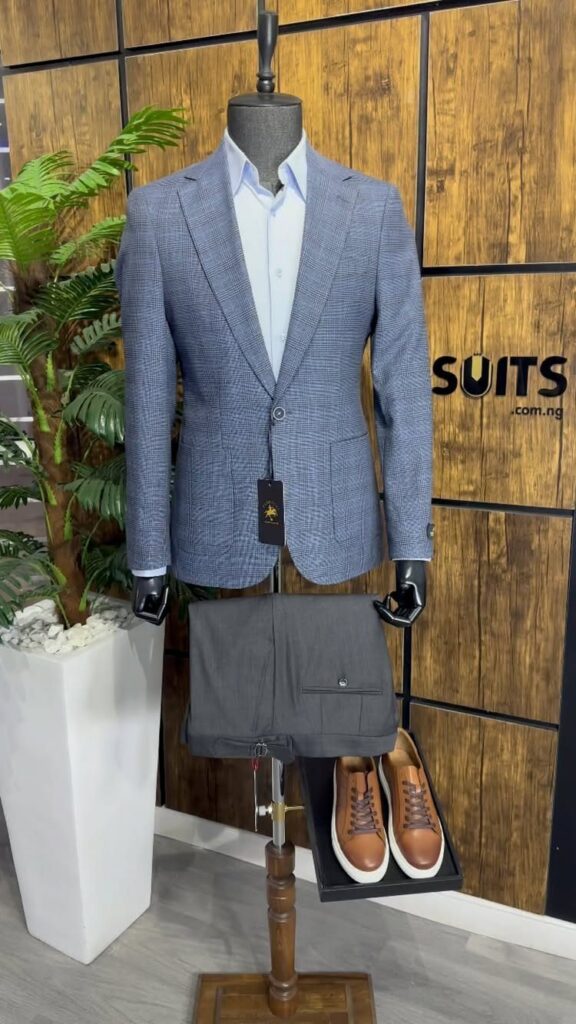
Semi-casual covers a lot of ground, from a plain polo under a jacket to a linen blazer over navy trousers, with loafers or dress shoes finishing either one.
Whatever you pick, fit matters more than price, and a shirt that fits and costs little beats a pricey one that hangs loose.
1. Jackets
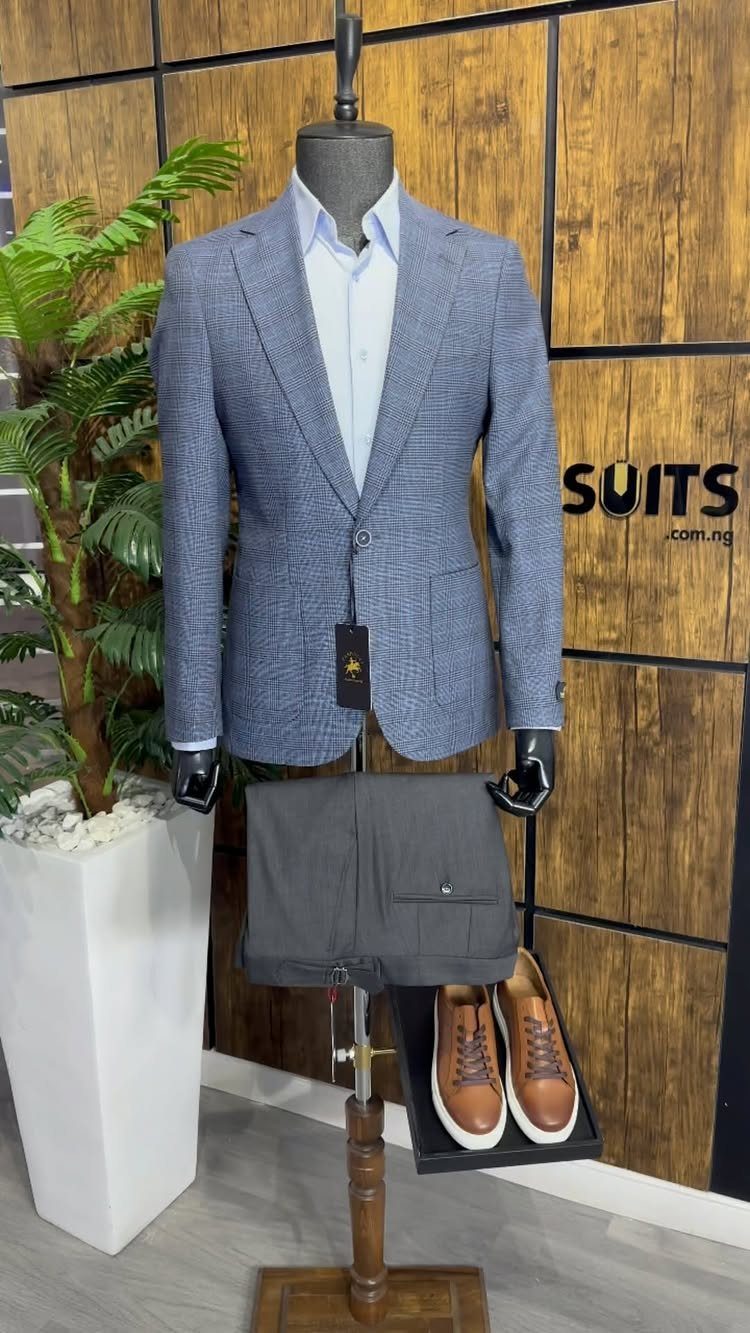
A patterned blue blazer does the work of a whole outfit, and it is the piece I would buy first.
Worn with a light blue shirt and a quieter bottom half, it gives the look a clear top line without a tie.
Keep the pattern on the jacket only. A solid shirt in a lighter shade of the same blue lets the blazer stand out and keeps the combination easy to repeat.
Grey shorts are the casual end of this. Swap in grey trousers for the office or dinner.
2. Button-Downs, Polos, and Tees
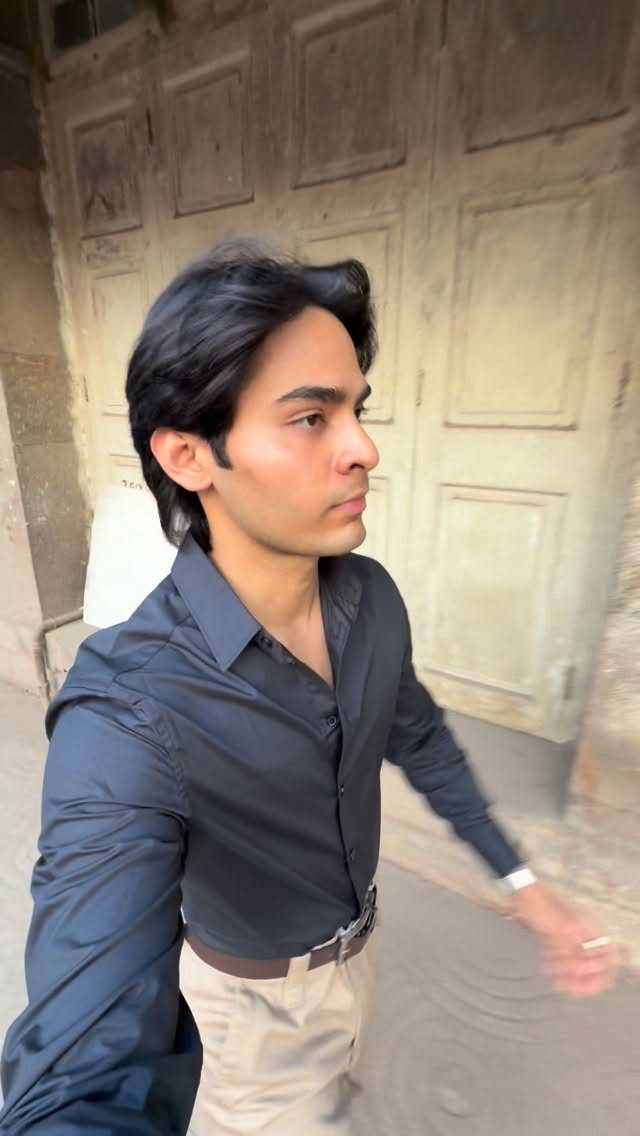
Black shirts get a bad reputation, but a black button-down over beige trousers is one of the easiest pairings a man can own. The contrast does the styling for you.
Tuck the shirt and add a belt so the waist looks finished. Leave the top button open and the collar relaxes, which keeps the outfit semi-casual instead of stiff.
Polos and plain tees follow the same rule with beige trousers: keep them fitted through the shoulders and let the trousers stay clean.
3. Dress Shoes, Loafers
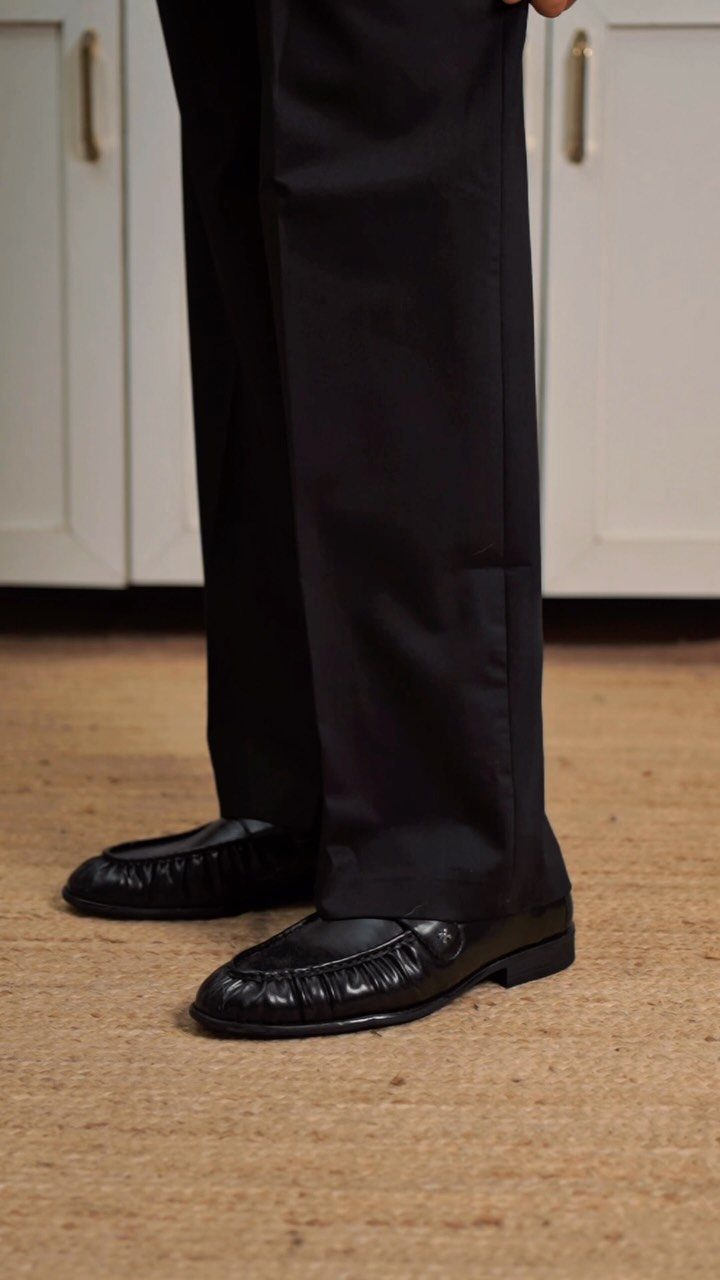
Black loafers with black trousers make a long, unbroken line, and that is why I like them for semi-casual dressing. The gathered leather on the vamp adds texture without adding fuss.
Match the trouser to the shoe and the outfit reads as deliberate. Keep the hem clean and just short enough to show the shoe.
Loafers are slip-on, so they dress down a suit and dress up chinos. If I could own only one pair, this would be it.
4. Lightweight Knits
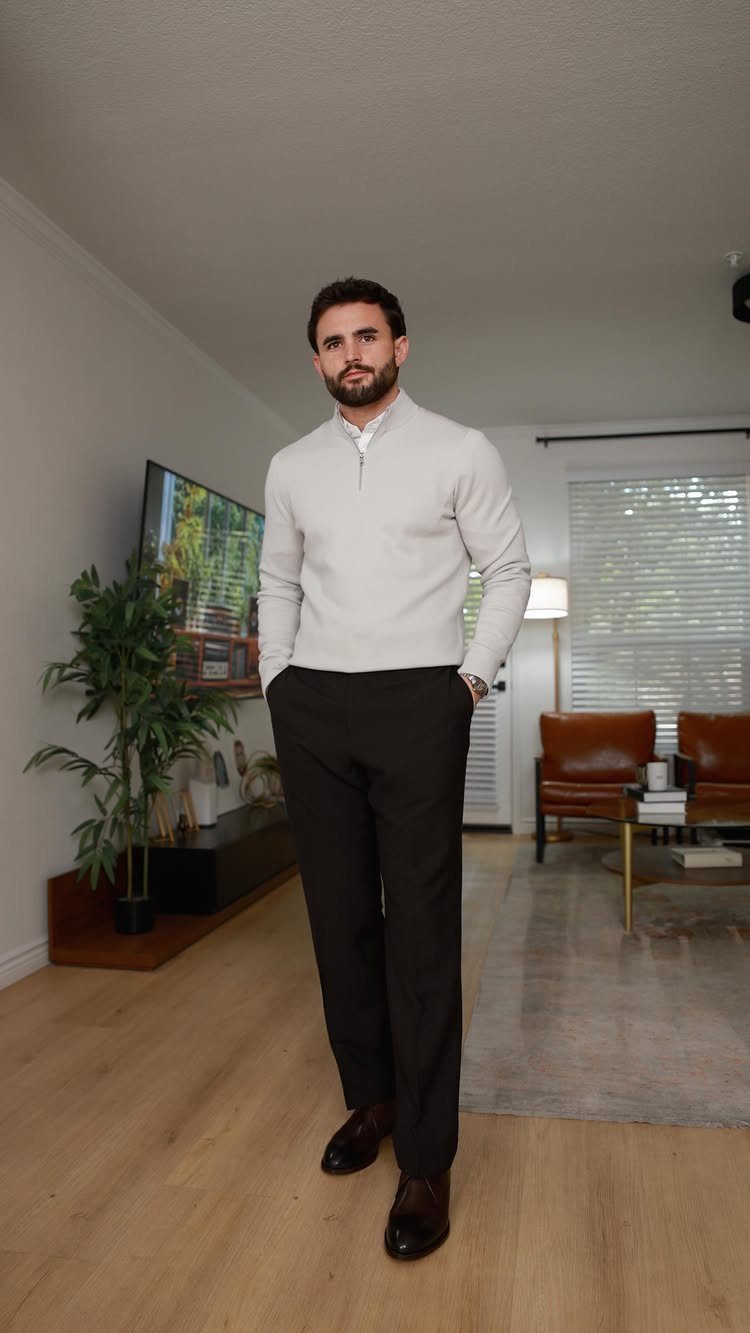
Over a shirt or alone, a light grey knit gives a man a neat neckline with none of the effort of a collar and tie.
Pair it with dark trousers and dark brown dress shoes, as here, and the outfit lands between casual and office-ready. Light on top and dark below is a balance that works almost every time.
Choose a fine-gauge knit that lies flat across the chest. A bulky one will fight the trousers.
5. Trench Coat Layering
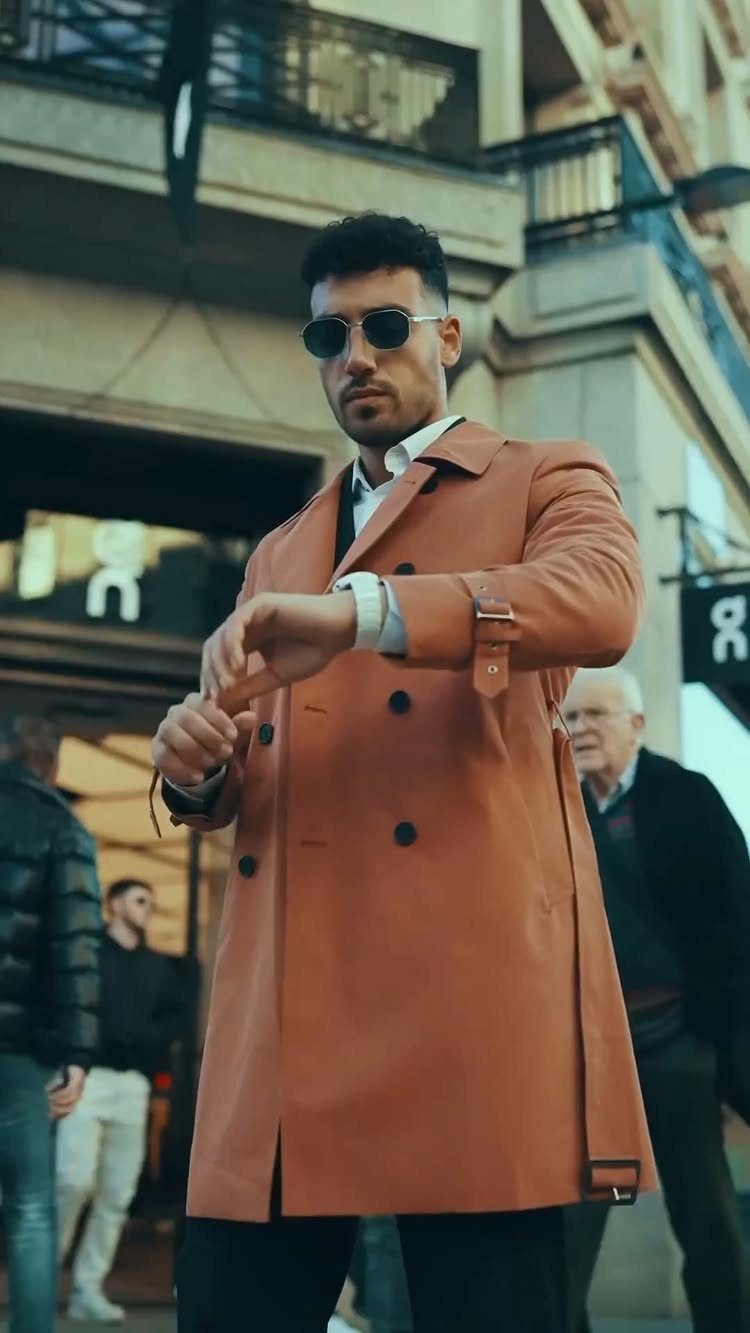
A tan trench is the layer that makes a plain white shirt look planned. Belted, it gives a clean waist, and the double-breasted front adds structure that a basic jacket lacks.
Keep what is underneath simple: a crisp white collared shirt and dark trousers are plenty. The coat carries the look, so extra pieces only crowd it.
Wear it open on mild days and belted when it turns cold. Sunglasses are optional, but I like them here.
6. Sweatshirt Over Collared Shirt
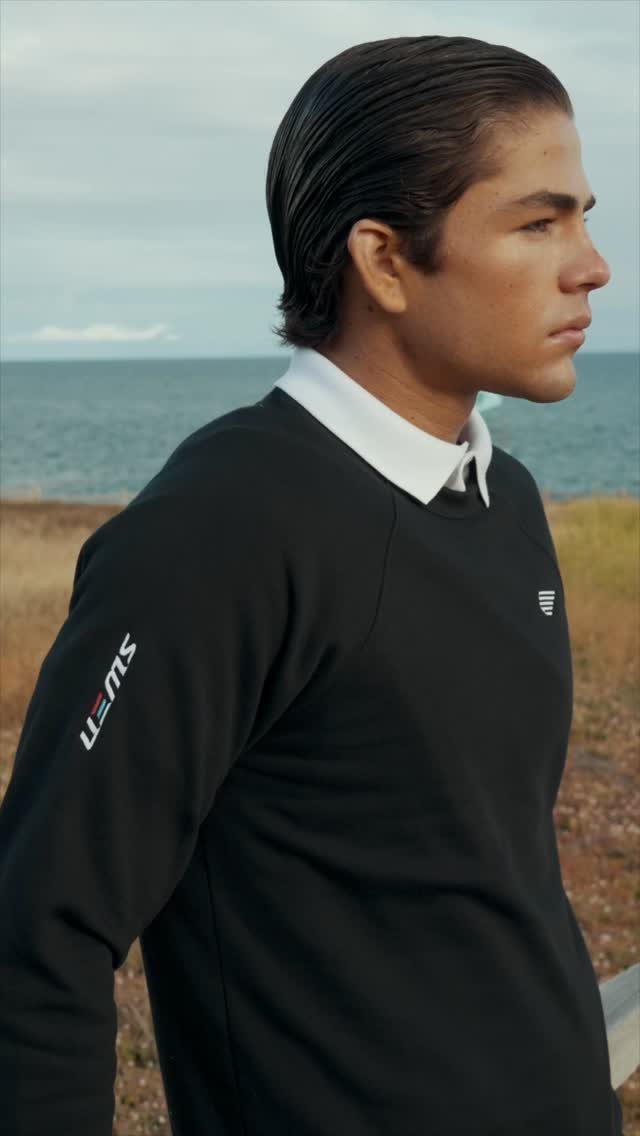
Layering a black sweatshirt over a white collared shirt takes almost no effort and looks like more thought than that. Let the collar sit outside the neckline, flat and pressed.
The white shirt matters most.
A crisp collar tells people the sweatshirt is a choice, not laziness. Black keeps the contrast sharp.
Pick a sweatshirt with a snug crew neck and a plain front, with nothing bigger than a small logo. Dark trousers or jeans finish it.
7. Linen Blazer with Navy Trousers
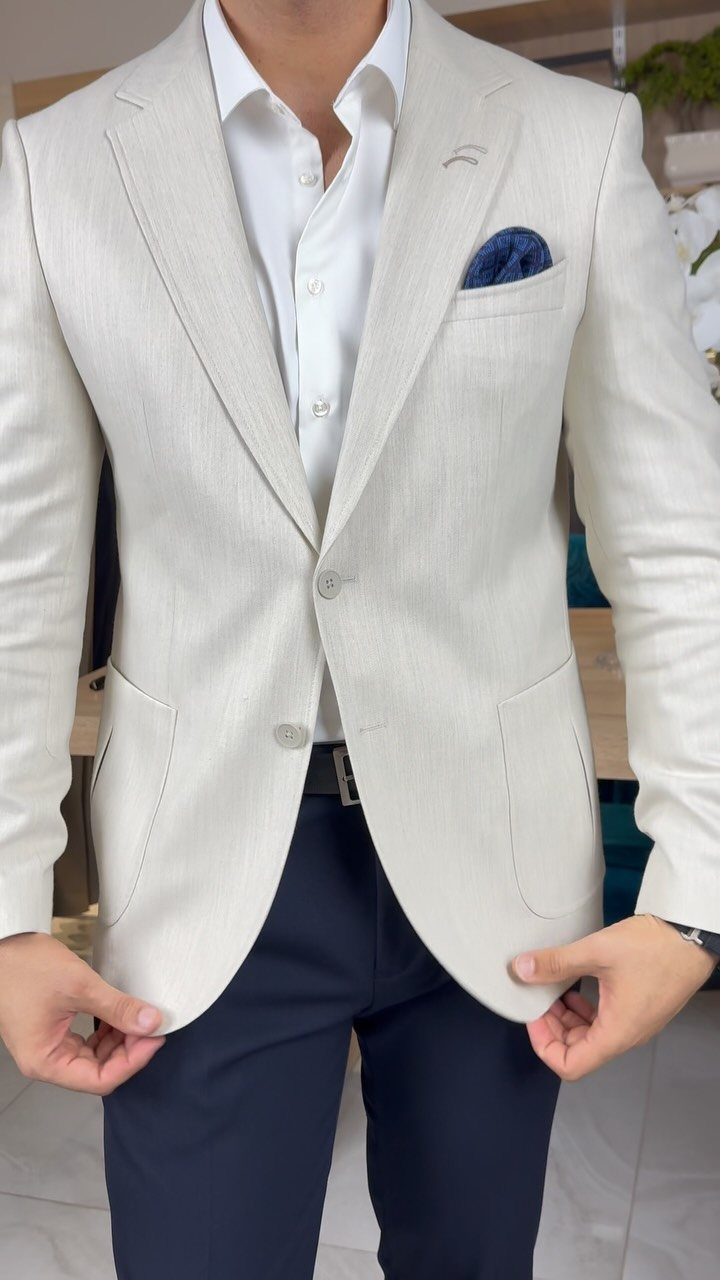
Cream linen over navy trousers is a summer pairing I trust, because the 2 colors sit far enough apart to look intentional without any effort. The white shirt beneath keeps the whole top half light.
Leave the shirt open at the collar and let the pocket square carry the one note of color. Blue echoes the trousers, so nothing competes.
Linen wrinkles, and that is part of its charm. Press the trousers sharply, though, so the creases in the jacket look relaxed rather than careless.
Swap the navy for a darker pair for evenings, and keep the blazer for daytime.
Choosing the Right Outfit
Semi-casual sits between smart casual and a full suit, so the room decides how far up or down to go.
Some semi-formal invitations expect a tie and others don’t care, so read the wording on yours before you leave it in the drawer.
2 mistakes show up again and again. The first mistake is dressing a smart casual outfit up by one notch, like a blazer over dark jeans, which leaves you looking a little unsure of yourself all night.
The second goes the opposite way: a three-piece suit at an outdoor garden party is too much.
A blazer worn over an oxford shirt with tailored chinos holds up at nearly every semi-casual event I can think of.
For the office, think in 3 steps: dressed down, baseline, dressed up.
A black or navy structured blazer, a button-down, and quality chinos are a solid baseline. Cargo pants, graphic tees, and tank tops never belong.
Fit and Tailoring
Fit matters more than price. A shirt that fits and costs little beats a pricey one that hangs loose, so start with fit before you think about price.
Buy clothes cut for it instead of hoping a size will stretch to suit you.
Then find a good tailor. A good tailor does more than hem a suit: a shirt can be taken in at the waist, and trousers that bunch at the ankle can be shortened and fixed too.
It is the cheapest upgrade I know, and it is what makes an off-the-rack piece look chosen for you.
Frequently Asked Questions
Can you wear jeans to a semi-formal event?
No. Dark, well-fitted jeans under a structured blazer still land at smart casual, a step short of semi-formal.
What should men avoid in business casual outfits?
Skip cargo pants, graphic tees, and tank tops.
Athletic shorts, ripped denim, sandals, and overly casual sneakers also fall short. A black or navy structured blazer, a button-down, and quality chinos make a solid baseline instead.
Can you show me some pictures of men wearing casual wear?
Look at pairings like a cream linen blazer over navy trousers with a white shirt, or a tan belted trench over a crisp white collared shirt and dark trousers.
Each one is built from a few pieces that mix well, which makes them easy to copy.





