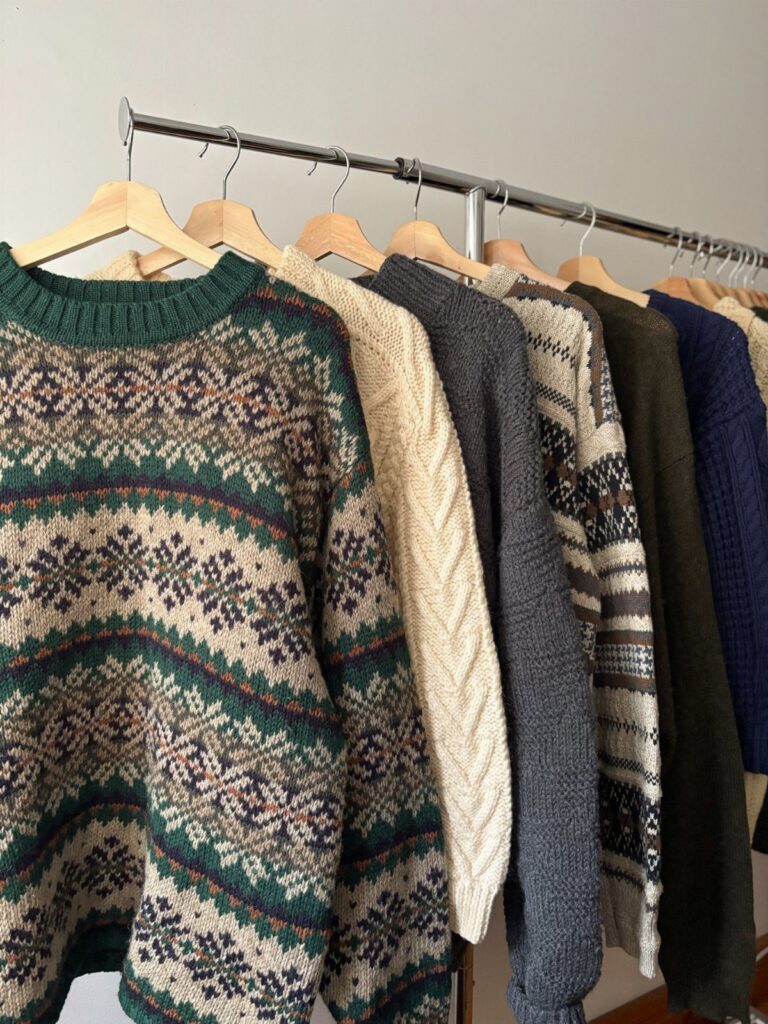
The list runs from waterproof boots you wear on the plane to knit accessories that fit in a coat pocket, and the climate at each stop decides which ones earn space in the bag.
Merino is the fabric I would build around, with a turtleneck as the first knit in, since it packs far smaller than a thick sweater and still insulates.
1. Waterproof Boots
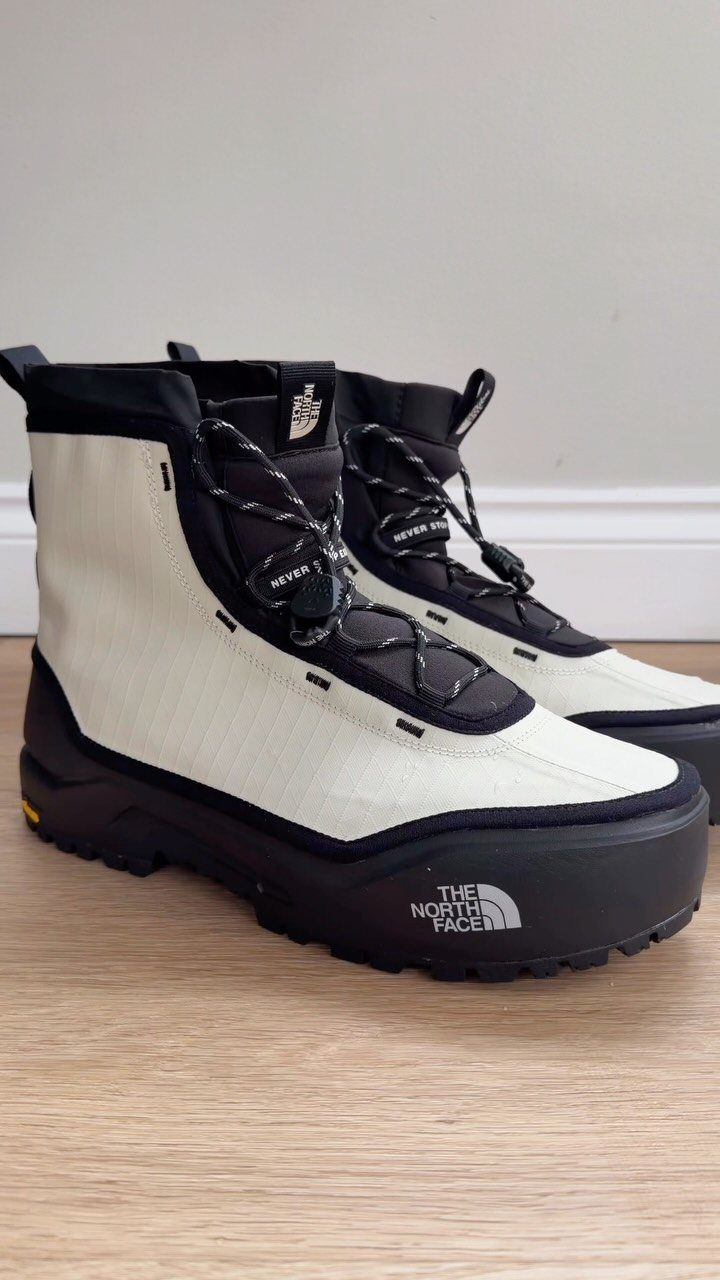
Boots are the heaviest, bulkiest thing in a winter bag, so wear them on the plane and let the suitcase hold everything else.
A cream and black pair like this one reads as casual but clean, and it goes with dark jeans, chinos and wool trousers alike.
I would pick one pair and build the trip around it. A second pair of shoes costs you suitcase space and rarely earns it.
Waterproof matters most on slushy sidewalks, where wet socks can ruin a day of sightseeing.
2. Packing Cubes
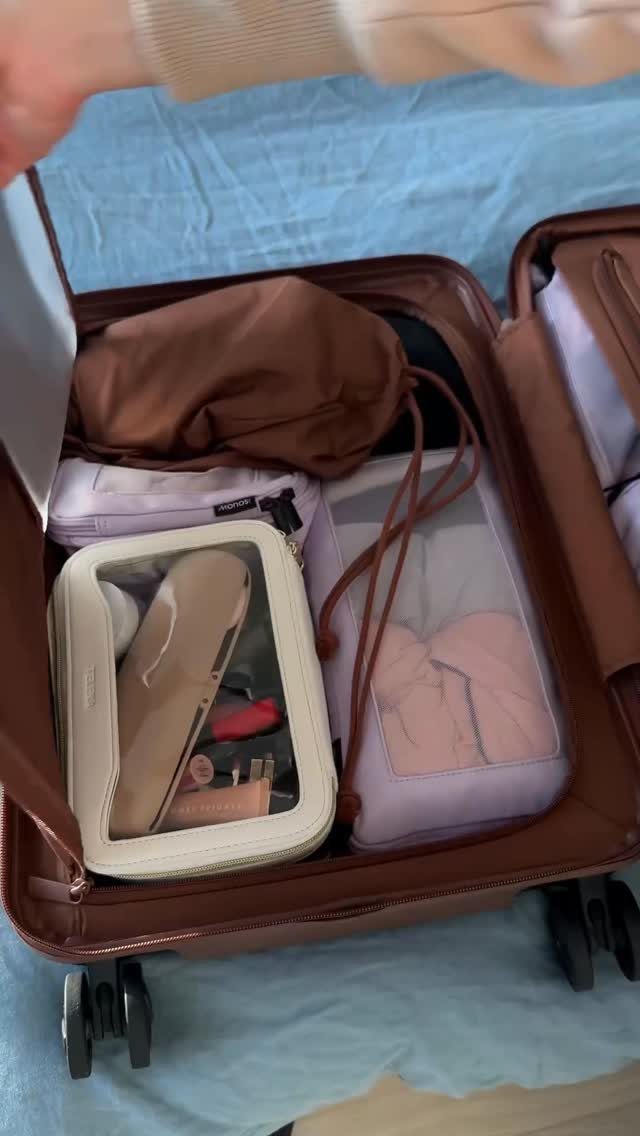
Packing cubes turn a suitcase into drawers. Sort by type: one cube for tops, one for bottoms, a drawstring pouch for small items, and a clear case for toiletries that comes out fast at security.
Winter clothes are thick, so a cube that looks full on the first day will feel tight on the last.
I leave a little slack in each one, since compressing bulky knits only works if the cube has room to spare.
Budget sets are easy to find and do the job just as well as pricey ones.
3. Versatile Knit Sweaters
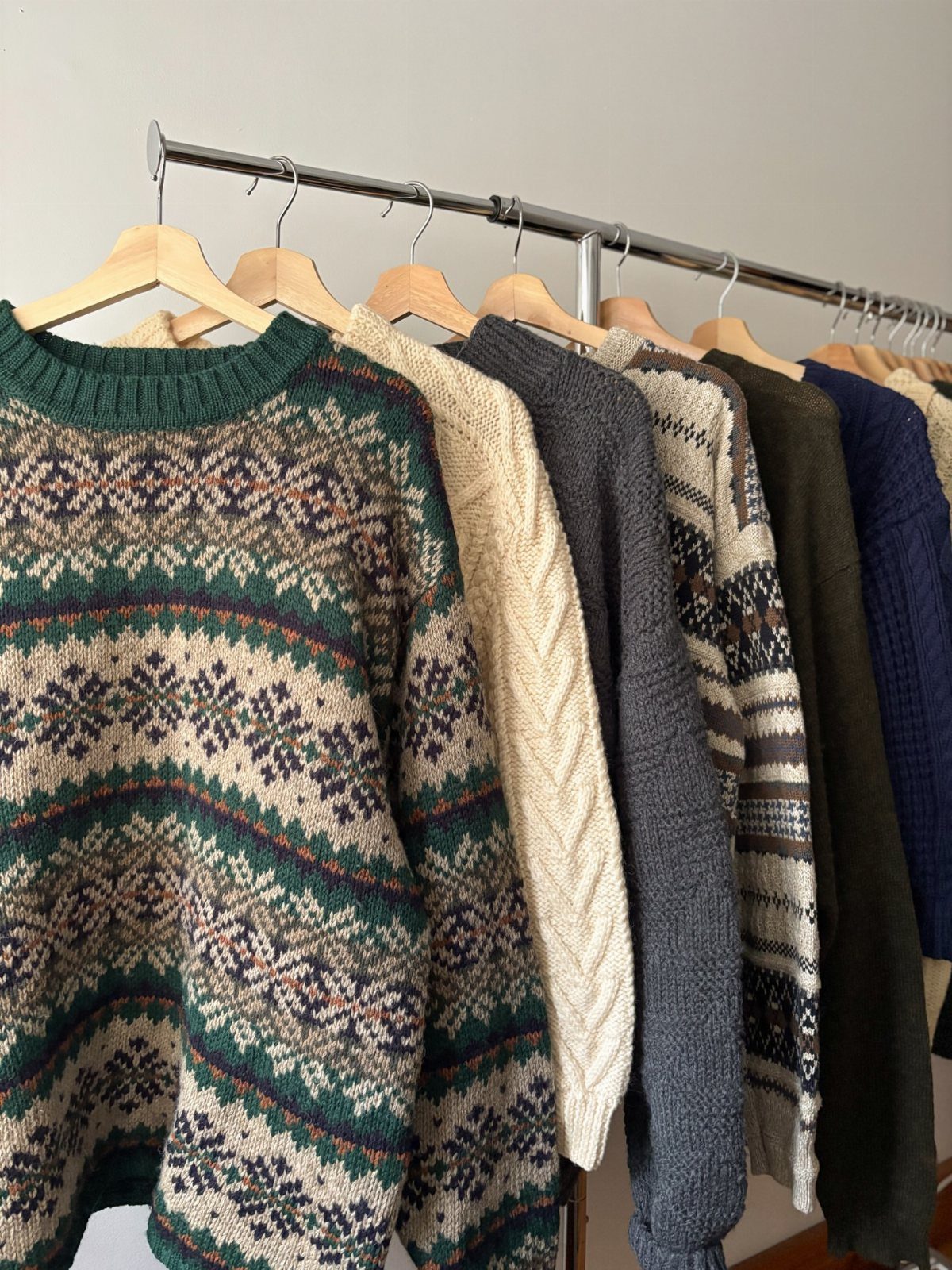
Knit sweaters do the most work per inch of luggage. Mix a few neutral solids with one or two patterned pieces, and every sweater pairs with every pair of pants you pack.
Stay in one color family so the patterned pieces don’t clash with the plain ones. Then layer them: a thin knit under a thicker one handles a cold street, and either alone handles a heated restaurant.
Roll them rather than folding if you want fewer creases. Unpack them the day you arrive and lay them flat to air out.
4. Matching Knit Winter Accessories
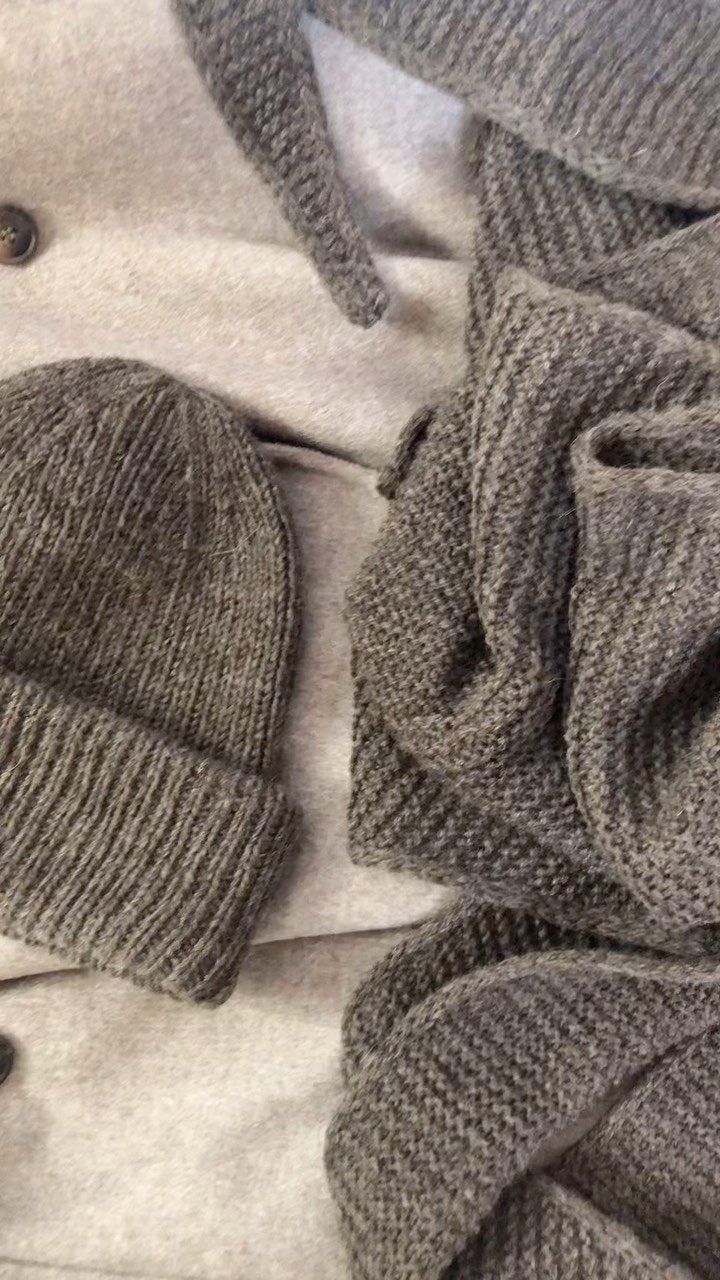
Pick a beanie and scarf in the same color family, and a light wool coat in a neutral shade will take either one. Matching accessories make a plain outfit look planned, and they cost almost nothing in suitcase space.
A ribbed beanie and a textured scarf give the look some depth without adding a loud pattern. I would choose a knit that is the same shade or a step darker than the coat, never lighter.
Stuff both into a coat pocket or a corner of your bag.
In neutral tones—think navy, charcoal, and camel—they’ll anchor your entire capsule, pairing effortlessly with knits, loafers, and longline coats. Consider them your go-to foundation for cold-weather dressing.
Travel Considerations
Check the forecast for every stop before you choose a single piece. Winter clothing is bulky, so a wrong guess costs real suitcase space.
Then match the bag to the itinerary. A city weekend with a dinner out needs different clothes than a day on a trail, and one extra dressy item usually covers the formal evening.
Look up local dress norms too. In some places, covered shoulders or knees are expected at certain sites, and it is easier to pack for that than to buy a scarf at a tourist stand.
Indoor temperatures swing as much as outdoor ones. An office or a hotel lobby can run hot or cold, which is a good reason to favor thin layers that come off easily and take little room.
Choosing Fabrics
Merino wool is the fabric I would build around. It insulates well, breathes, feels soft on skin, and regulates temperature, yet it packs far smaller than a thick knit.
Start with a merino turtleneck, since it does more work than any other knit you can pack; if you expect truly frigid days, a thin merino thermal under it is worth the suitcase space.
Cashmere is the other pick. It is soft and warm and takes up little space, though it needs more careful washing and storage than merino.
Soft cotton and fleece layers are comfortable and easy to move in, but I would still choose merino first where the weather is truly cold.
Layering Techniques
Warmth comes from several light layers, not one heavy piece. Thin layers trap heat just as well as a bulky sweater, and they pack smaller.
Every outfit runs on 3 layers: something snug against the skin, a middle piece that traps heat, and a shell that blocks wind and wet.
When the cold is mild, I’d leave the base layer at home. In extreme cold, it matters.
Since the outer layer is the only one anyone sees, I pick it first, matching it to where I’m headed and what the days will involve. Pick it for function, then make it look good.
Mid and base layers follow the same order: function first, style second. A packable puffer is a useful second outer layer when the weather is unpredictable.
Frequently Asked Questions
What is a winter travel capsule wardrobe?
It is a small set of cold-weather clothes chosen so that nearly every piece works with every other, giving you many outfits from a little luggage.
Build it around one pair of waterproof boots, a few neutral knits, and a coat that suits your accessories.
A winter travel capsule wardrobe means a small set of pieces that all mix with each other, so the suitcase stays light and nobody stands at the closet wondering what goes with what.
How many pieces should be in a winter capsule wardrobe?
There is no fixed count. For a trip, 10 to 15 essentials is the usual range, and a full everyday winter capsule that includes shoes and accessories can run as high as 31 pieces.
For travel, I’d lean toward the low end: tops, bottoms, outerwear, one pair of shoes, and a hat and scarf. Pick the number that covers your itinerary without extra weight.
How do I handle unpredictable weather when packing for winter?
Pack thin layers instead of one heavy piece, since several light layers trap heat as well as a bulky sweater and take less room.
A packable puffer works well as a second outer layer when the forecast is unsure, and thin layers also come off easily in overheated hotels and restaurants.





