
A winter capsule built from this list runs from a pair of wool socks to a classic overcoat, and the overcoat is the only piece that costs real money.
Your list depends on the kind of day you dress for most: if it ends at a desk or a dinner table, start with the classic overcoat and a turtleneck sweater; if it is mostly casual, baggy jeans and a chunky knit sweater cover you.
Everything else is a cheap add-on that works with whichever pieces you already own.
1. Baggy Jeans
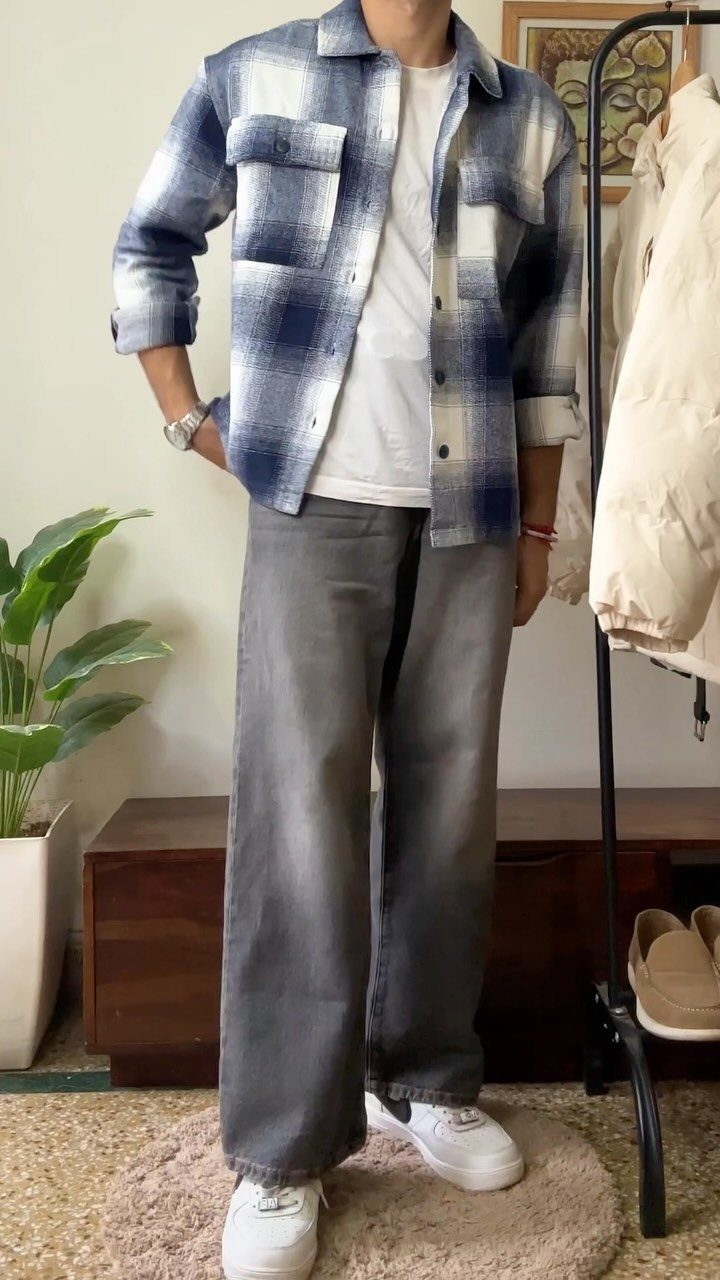
Wide-leg jeans in grey denim are the easiest way to get comfort into a winter wardrobe without looking sloppy.
A loose leg leaves room for thermal layers underneath, and the muted color goes with almost any sweater or overshirt you already own.
Keep the top half simpler than the bottom. A plaid overshirt over a tee in crisp white, with clean sneakers to match, balances the volume, so the jeans read as a choice and not an accident.
The creator of this outfit called it an affordable one, which suits baggy denim: you need one good pair, not several.
2. Wool Socks
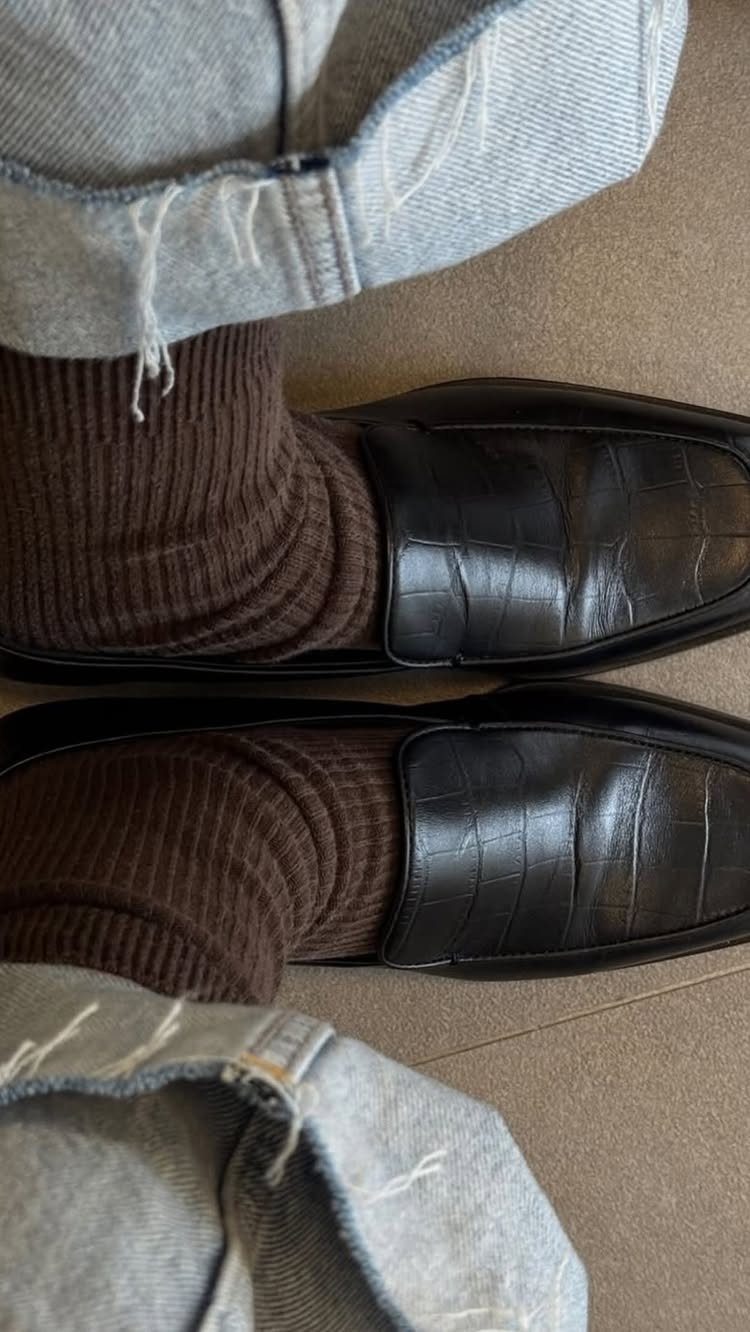
Socks are the cheapest warmth in a winter wardrobe, and wool does the job better than cotton.
Ribbed wool socks in a darker color like brown or charcoal add texture to a winter outfit where most men add nothing, and they show just enough at the ankle when you wear loafers or boots.
Pick a color that sits close to your denim or shoes. Brown against light-wash jeans looks deliberate, and the cuffed hem shows off the sock without making a fuss.
Loafers leave your ankles exposed, so a thicker sock earns its place here. Buy a few pairs in the same shade and you never have to match them.
3. Chunky Knit Sweater
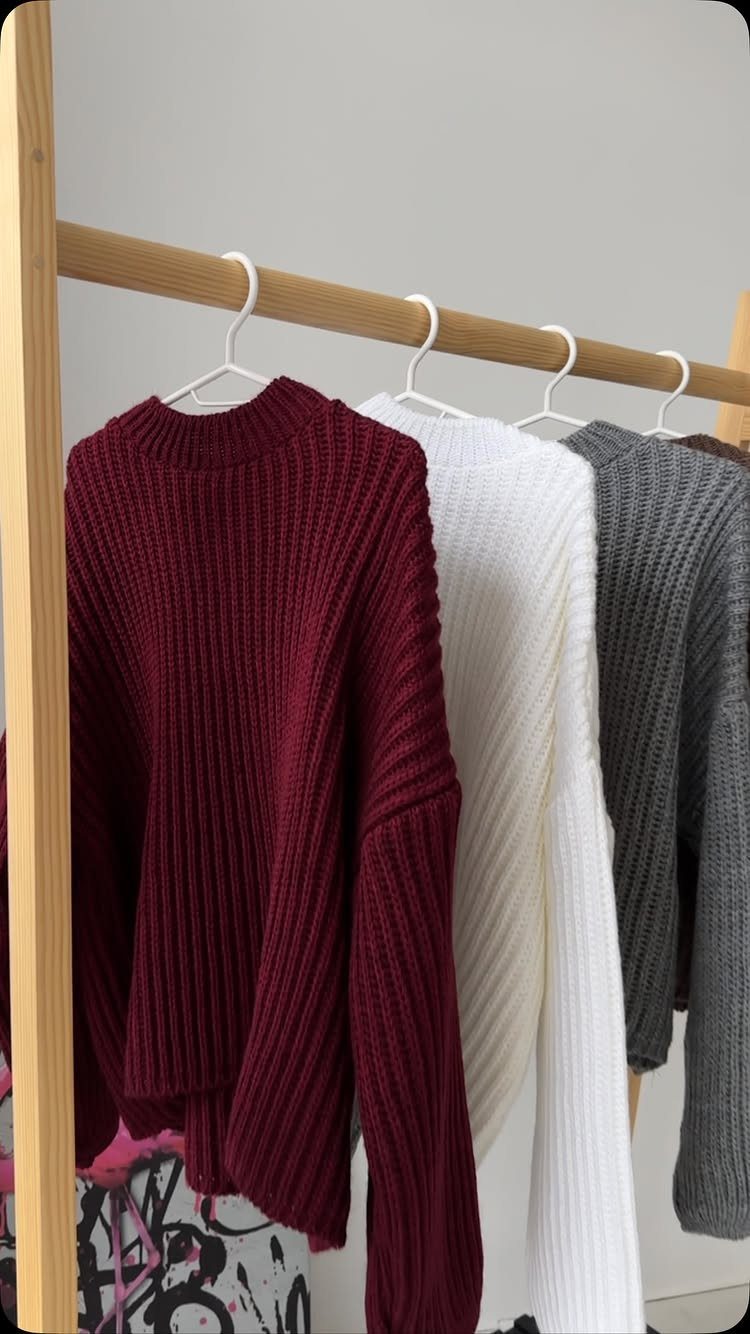
Burgundy, white and grey: that is a tidy palette for chunky ribbed sweaters, and all three work with the grey or blue denim already in your closet. The thick knit supplies the warmth, so you can skip heavy layers underneath.
I would start with grey, since it goes with everything, then add burgundy for a second option. White is the hardest to keep clean, so buy it last.
Bulk is the cost: a chunky knit adds visible volume through the torso, so it works best over a slim shirt and with trousers that taper.
A chunky sweater fits badly under a fitted coat, so try it on with your outerwear before you buy.
4. Turtleneck Sweaters
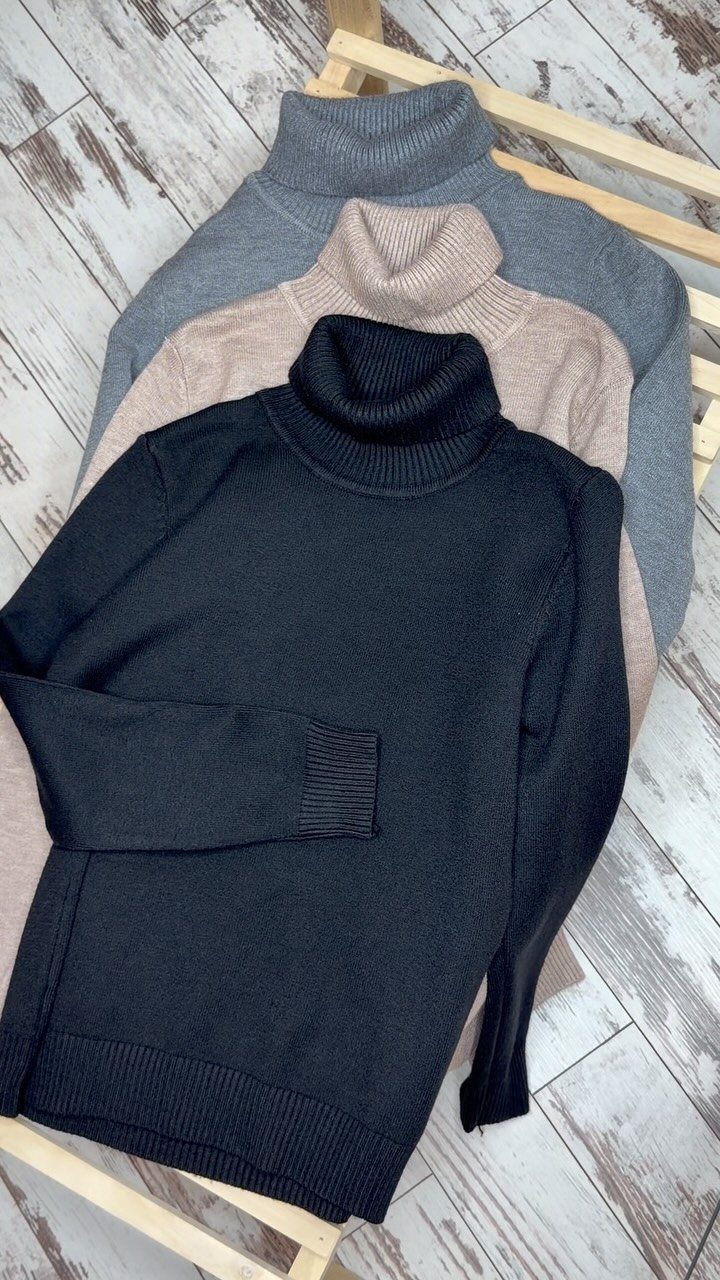
Black, beige and grey turtlenecks make a three-piece rotation that covers nearly every winter day. Each one replaces a shirt and a tie, and each takes a blazer or overcoat without any fuss.
Black is the sharpest and works at dinner or the office.
Beige is softer and good with dark denim. Grey sits between them and hides wear best.
Fold them rather than hanging them, since knitwear stretches on hangers. Buy the neck snug but not tight, because a loose collar slumps and ruins the look.
5. Classic Overcoat
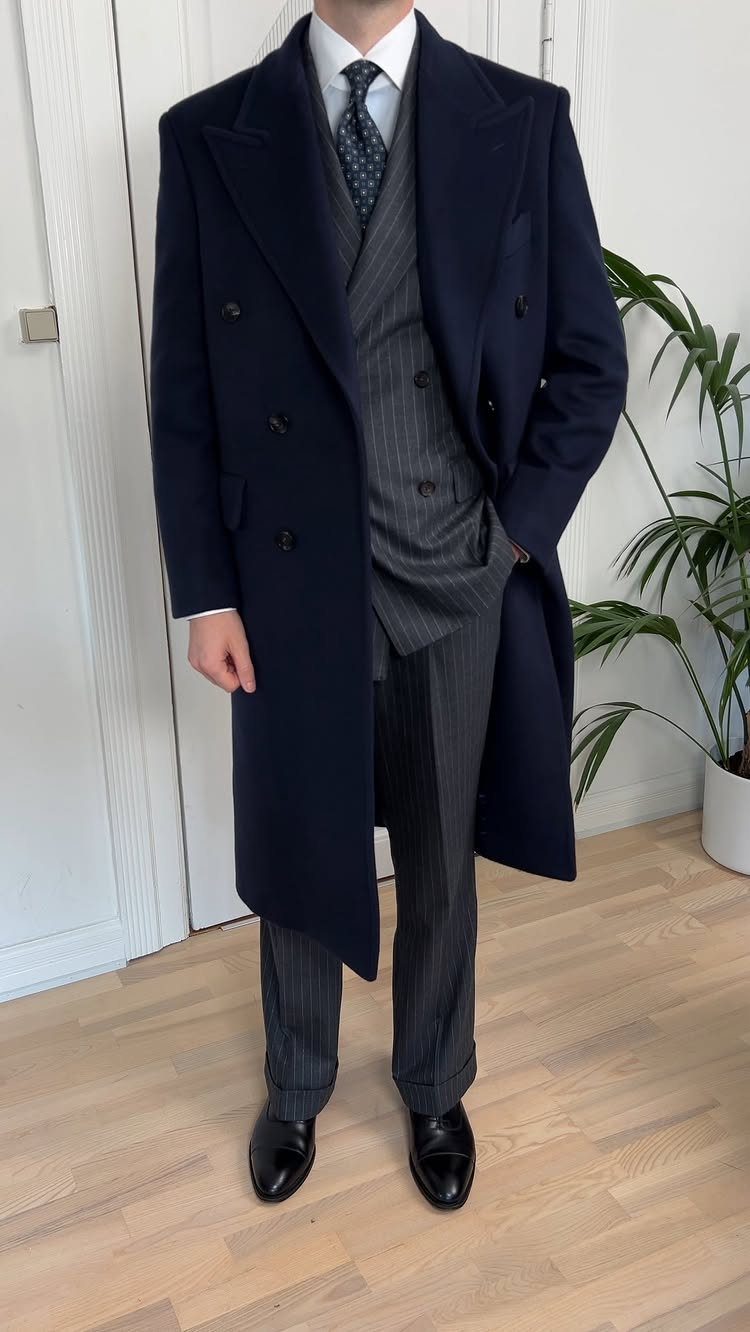
A long navy overcoat is the one piece that makes a suit look finished in cold weather.
Double-breasted styling adds structure, and navy is a softer, less stark choice than black, so it sits well over grey pinstripe or solid suiting.
Choose a length that covers your jacket hem completely. The shoulders matter most: if they fit, a tailor can fix almost everything else.
It costs more than the other pieces here, but you will wear it every winter.
Tips for Layering
Start with the thinnest piece against your skin and work outward to the thickest, with the snuggest fit on the inner layers.
A slim long-sleeve tee or a fine-knit base adds warmth without adding volume, while an oversized piece underneath bunches up and makes everything on top sit badly.
A vest, a thin pullover, or a second cardigan makes a good extra layer when the day calls for something more relaxed. It gives you another way to adjust to the weather, and it adds very little bulk.
Keep your outermost piece the roomiest and everything beneath it trimmer. If the sleeves of your top layer pinch over the one below, the combination is too tight, so swap one of them.
Sustainable Fashion
Buy fewer pieces and keep them longer. A winter wardrobe built on neutral colors, like black jeans, a leather jacket, and Chelsea boots, gives you clear choices every morning, and each piece works with the rest.
A pop of color can come from a blue denim piece or a scarf, which costs less than replacing a coat.
For a more sustainable wardrobe, buy from makers who put their effort into well-made classic pieces, and pass on fast fashion. Wearing what you already own again and again is the most sustainable habit of all.
Frequently Asked Questions
What is a winter capsule wardrobe?
A winter capsule wardrobe is a small set of cold-weather pieces that all mix well, so a few items make many outfits.
Think neutral colors like grey, black, navy and burgundy, so sweaters, denim, coats and boots work together. Getting dressed gets faster because almost any 2 pieces already match.
What are the best materials for winter clothing?
Wool is the best everyday choice, with cashmere and thermal fabrics close behind for warmth. Wool socks beat cotton ones, and a thick knit sweater supplies enough heat that you can skip heavy layers under it.
How do you layer clothes for winter?
Layer from the inside out: the thinnest, closest-fitting piece goes next to your skin, and each layer after it gets a little heavier.
Keep the outermost layer the roomiest, and if its sleeves pinch the layer below, swap one of them.
What colors work best in a winter capsule wardrobe?
Neutrals work best: grey, black, navy, beige and white, with burgundy as an accent.
They match each other and the denim you already own. Grey comes first because it works with nearly everything; white can wait until the end of the shopping list, since it shows every mark.





